


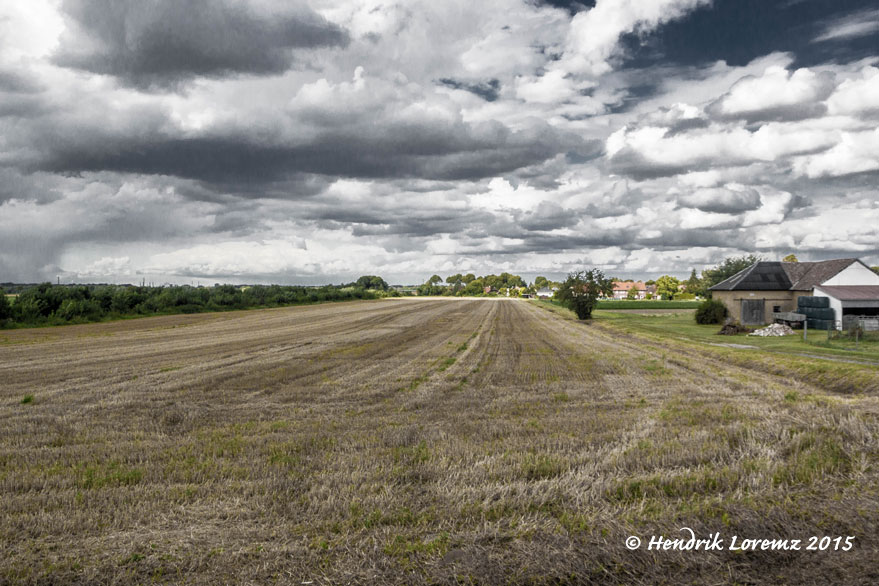
 Anyone who does not want to slide into the low-wage sector has to be very flexible professionally these days. In other words, life becomes a series of packed suitcases. This often takes people to parts of the country they have never heard of before – or have deliberately avoided. My latest work assignment brought me to Salzgitter, a place better known in the region by the nickname “Salzghetto”. I knew the city because I come from neighbouring Braunschweig. Even twenty years ago, Salzgitter already had a reputation for being unattractive. Now I was taking a job there. Salzgitter does have one positive feature: heavy industry, even if on a much smaller scale than before. It is nothing like the 1970s or 1980s. Tens of thousands of jobs have disappeared in the crises of recent years.
 Finding a flat in Salzgitter is no problem. For years, the city struggled with people moving away. Many who come here to study, for example at Ostfalia University, soon feel they have been taken for a ride. They quickly discover that Salzgitter is not really a city at all, but a collection of run-down villages with almost no infrastructure. Without a car, you are lost. There is no student life or nightlife to speak of. Entire rows of buildings stand empty. Many properties date from the Nazi era and, if they are occupied at all, are often home to people living on welfare benefits.
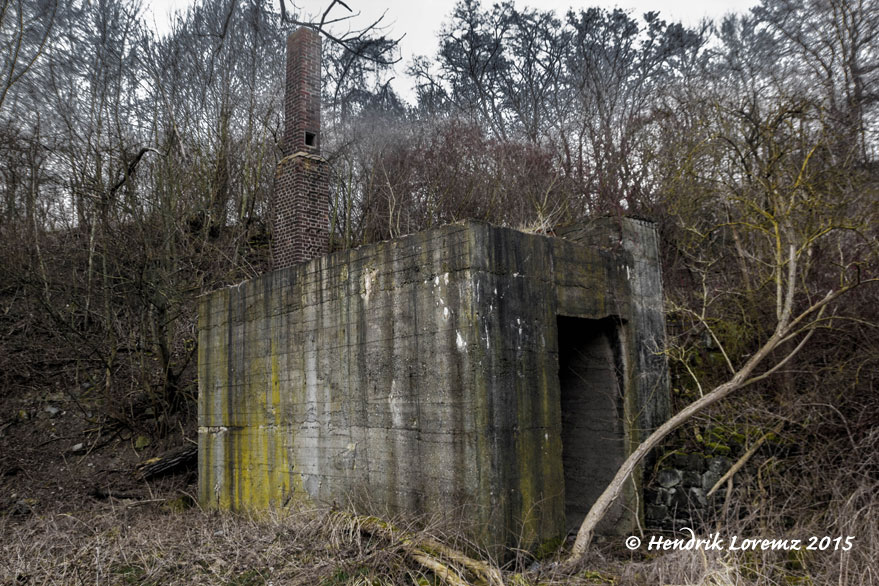
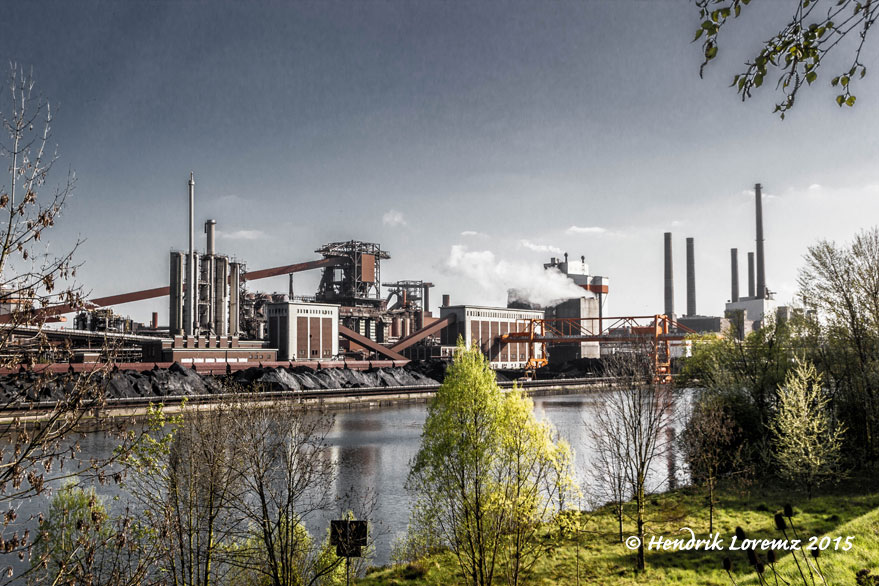 Salzgitter also experienced its heyday under the Nazi regime. The magnificent Reichswerke Hermann Göring once stood on the northern edge of the city, towards Braunschweig. Next to them was the concentration camp Salzgitter-Drütte, a chapter that has been forgotten or suppressed. Steel is still produced on the former Reichswerke site, now under the name Salzgitter AG. Numerous Second World War bunkers remain between the industrial buildings. The city tried to blow some of them up, without success, or simply buried them under sand – an attempt to bury the truth. Salzgitter probably has the highest density of well-preserved bunkers in Germany.
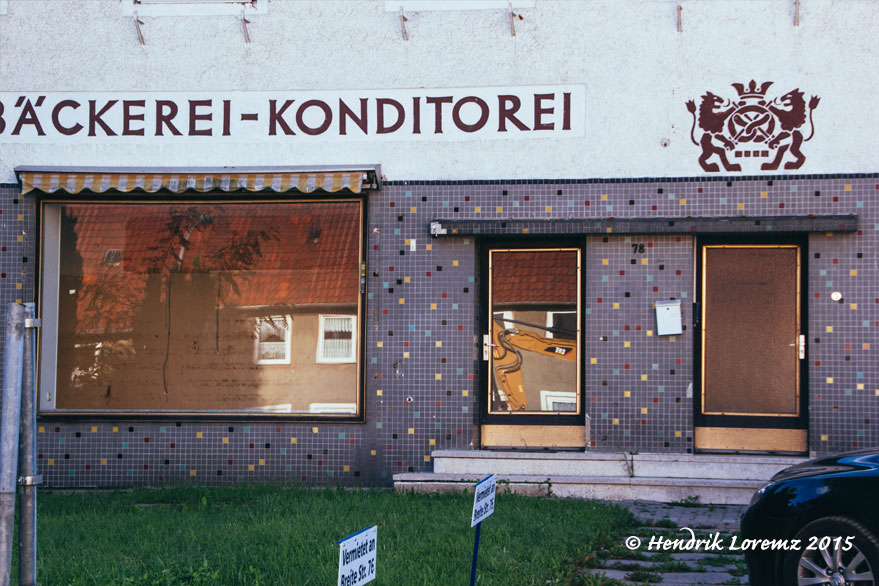 Right next to the former Reichswerke lies the curious village of Salzgitter-Watenstedt. It has effectively been abandoned and, in its current state, would make an excellent setting for a zombie film. It is a genuine ghost village. A crime drama was recently filmed in Salzgitter, saving the production the expense of building an elaborate post-apocalyptic set. The same picture can be found in other districts such as Beinum, Barum and Gebhardshagen: empty buildings and decay. In some places, Salzgitter resembles East Germany around the time of reunification. Teenagers and young people gather on playgrounds and at bus stops to drink themselves unconscious, apparently out of boredom and a lack of prospects. The only bright spot in this otherwise run-down city is Salzgitter-Bad. Its small old town has half-timbered houses and some charm. Beyond it, however, the familiar picture returns: large numbers of vacant workers’ homes dating from the Nazi era.
Verdict: Only those who grew up in Salzgitter can really live here. Despite many efforts, the city has not managed to change its image, although the population has increased in recent years. Most people who still work in the remaining factories live in other districts. Bargain hunters looking for property will find plenty of opportunities in Salzgitter. The city is also a bleak place for anyone already struggling with depression. Many towns and districts across Germany now face similar problems. The rebuilding of the East was often followed by the decline of the West. Can Salzgitter make a comeback? At least it is not far from regaining big-city status.



Comments