


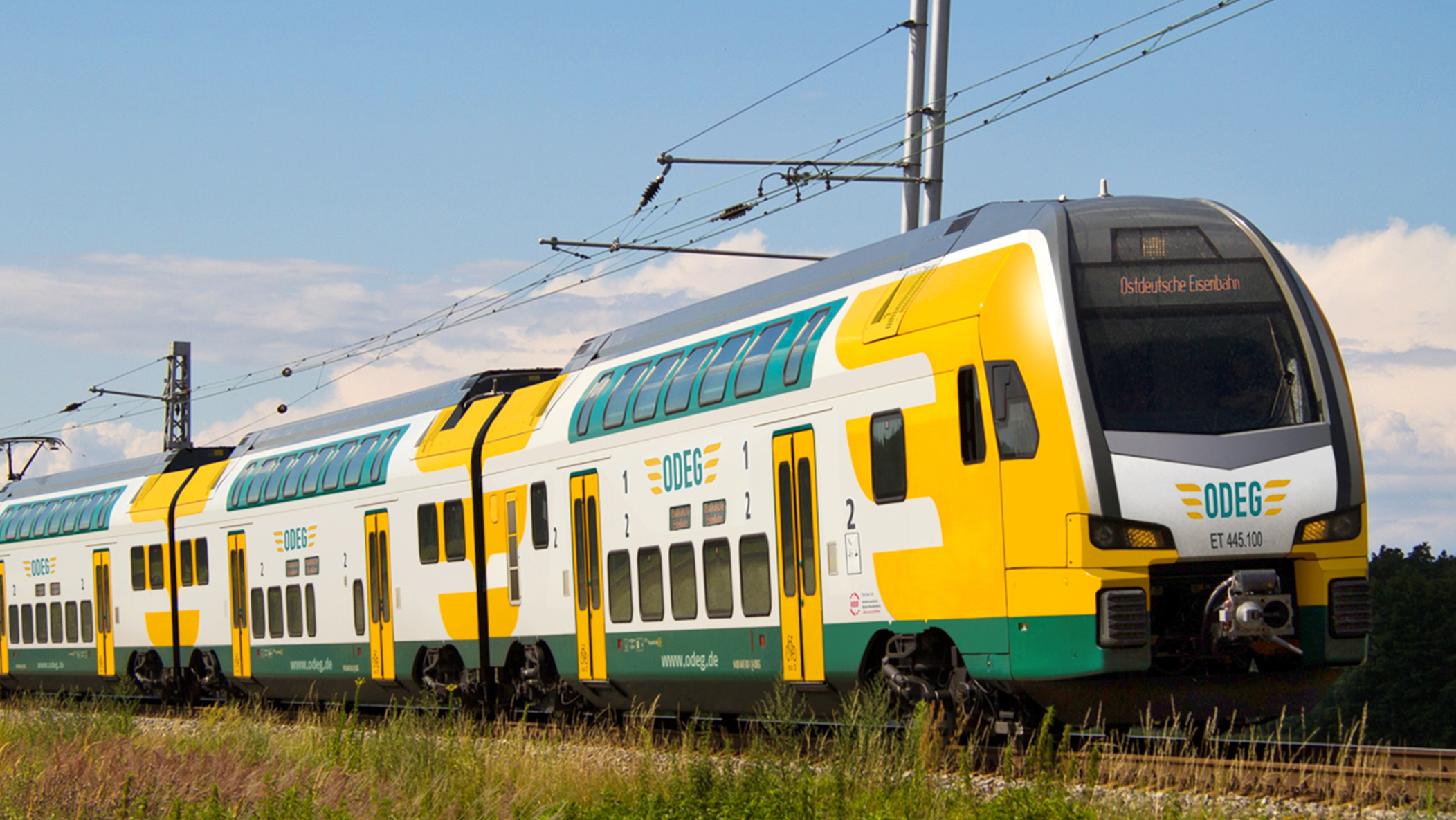
I actually think the Deutschlandticket is a good idea. The ticket now costs €58, but if you use it properly, you can quickly get your money's worth. In Berlin alone, it is cheaper than a BVG AB monthly pass, and employers often contribute towards the cost. However, because it is restricted to local and regional transport, the ticket can only be used to a limited extent. Anyone wanting to travel long distances by regional express train needs a great deal of time. As urban and interregional infrastructure continues to deteriorate, travelling by public transport—other than on the more expensive ICE and IC trains—is increasingly becoming an adventure. I wanted to try it out and travelled from Berlin to Goslar and back using the Deutschlandticket. The journey began at the Eichhorster Weg/Schorfheidestraße bus stop in the Märkisches Viertel district. There was already a crowd waiting because several buses had once again been cancelled or were late. Bus M21 took me to Wittenau S-Bahn and U-Bahn station. From there, the S1 was supposed to take me to Friedrichstraße station. The S1 did arrive, eight minutes late. During the 20-minute journey on the crowded train, I heard all sorts of languages, mainly Eastern European dialects. German? No, not at all. Loud phone conversations over speakerphone, in what I found to be some of the least appealing languages in the world, accompanied me all the way to Friedrichstraße. I reached the platform via the broken escalator. The legendary R1 (connecting the Polish border with Berlin and Magdeburg) was due to arrive there at 4:57 p.m. The popular train did not arrive until ten minutes later. The passenger information system gave no notice of the delay, and there were no announcements over the loudspeakers either. In Magdeburg I had to change to the RE21 to Goslar. From Halberstadt onwards, I felt as though I was the only Caucasian on the entire train. The return journey on the R21 to Berlin began three minutes late. The very small railcar was already overcrowded in Goslar. At Vienenburg, the first passengers had to stand. Cyclists repeatedly tried aggressively to get their bikes onto the train even though all bicycle spaces were already occupied. As there was no train staff on board to intervene, this led to considerable delays and arguments between passengers at several stations. In addition, the passenger information system in the railcar was broken. The R21 reached Magdeburg ten minutes late. The connecting R1 back to Berlin also set off ten minutes late. The train itself was not overcrowded, but it did have some interesting characters on board. First there was a football lout who kept shouting, and then a young woman who spoke so loudly on the phone that every passenger involuntarily learned all about her private life (being “knocked up”, i.e. pregnant, having no job and no future). It later turned out that this same person was travelling with an expired “B” disability pass and was therefore, in fact, travelling without a valid ticket. Shortly before Werder, some amusing fellow citizens were on the tracks, delaying the journey by another ten minutes. When I went looking for a toilet, I discovered that two of the three toilets on the train were out of order. As the delay continued to grow, there were various stops because punctual trains were blocking the stations, which logically made the original delay even longer. Final result: 30 minutes late. Could have been worse. To round things off, there was an aggressive begging performance by “travelling Romanians” on the S1 that took me from Friedrichstraße to Wittenau, and the passenger information system on that train had also failed. At least the M21 bus back to the Märkisches Viertel was the only means of transport on the entire trip that was on time.
Conclusion: No. Travelling outside the city on local and regional transport with the €58 ticket is not recommended. However, an excursion like this is an interesting study of what the author describes as the changed society of this country and the disastrous infrastructure of a once exemplary industrial nation. I am glad I completed the trip without suffering a knife attack or robbery. In future, I would rather go back to using ICE trains to avoid the risks and annoyances mentioned above, even though ICE trains are also frequently delayed and knife-wielding “new Germans” travelling without tickets and causing trouble are, in the author's view, an everyday occurrence. I simply feel (for now) more comfortable on these trains.



 1. Regarding the sound ...


Add comment