Switch to english versionsprache de grau

    Berlin in Focus, Part 5 – The Siemensbahn Viaduct

    5 of 5 (1 Vote)

    Berlin had countless ghost stations after reunification. Today, however, they are hard to find. Yet they still exist right in the heart of Berlin-Charlottenburg. The so-called “Siemensbahn”, which once carried huge numbers of workers to their jobs, has been closed since 1980. Thirty-two years of inactivity have left their mark.

    Thousands of cars pass every day along Nonnenmannallee/Siemensdamm beneath the disused viaduct of the former “Siemensbahn”. Hardly anyone notices this structure, which nature has long since reclaimed. Today, the area beneath the steel structure is used as a car park or storage space by businesses. The construction is dilapidated; loose parts sometimes fall off and remain on the ground. Special protective sheets prevent this from happening above the road.

    At Werner Werke S-Bahn station, everything has been boarded up. All three entrances have been closed for a long time. Only a “Blumenmarkt” sign recalls the commercial activity that once took place at the station. The roof of Werner Werke station is still recognisable, but the decay is obvious. Six hundred metres farther north, at Rohrdamm, the former Siemensstadt S-Bahn station can be seen along the 800-metre viaduct. Here, too, the same ghostly picture of the past and decay. Anyone who climbs a little way up the railway embankment can catch a magnificent view of the derelict station. The station clock has probably found its way into a collector’s hands by now; the signalman's hut is still open, as if the S-Bahn employee had only just stepped outside. Trees have meanwhile cracked the concrete on the platform.

    The future of this viaduct, parts of which are listed as a historic monument, remains completely uncertain even after more than 30 years. Plans for its redevelopment were abandoned once again. This steel relic from the pre-reunification era is therefore likely to remain in its current state for a long time to come.

    Comments

    0
    Sven Türpitz
    2 years ago
    The Siemensbahn railway line is set to be reactivated by 2029. Actual construction work will begin in 2026, though preparatory work has already taken place. The old ballast and railway sleepers have been removed from the 800-meter-long viaduct, and the route has been cleared of vegetation and surveyed. In 2025, vegetation will be cleared in the area beyond Jungfernheide.
    Like Like Quote

    Add comment

    Submit

    Found nothing?

    Latest Comments

    Kenya

    Nature, Wildlife and Beaches

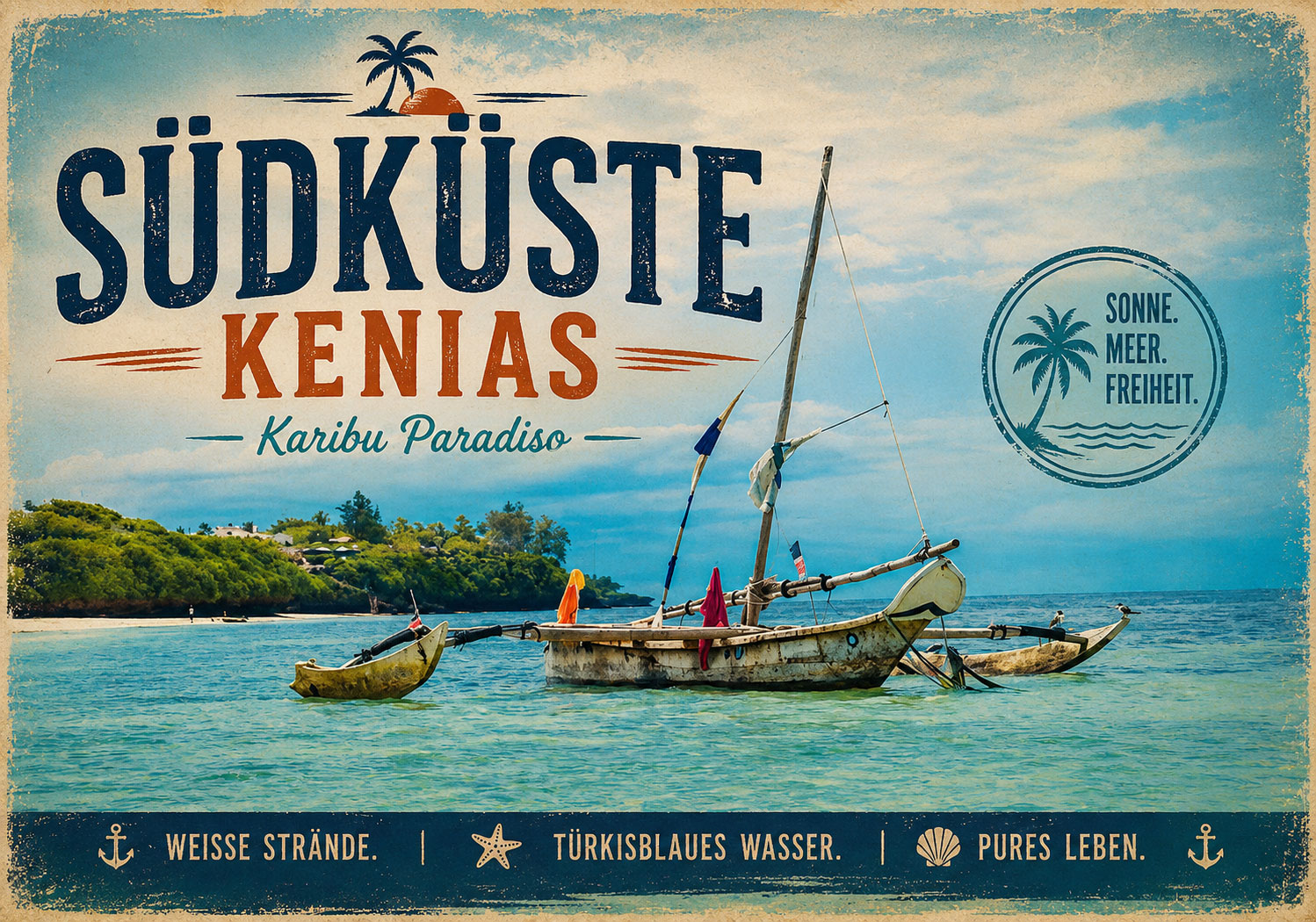
    The African continent consists of many countries with a wide variety of cultures and fascinating flora and fauna. However, not all countries are as easy to explore as a tourist destination as Kenya.

    Goslar

    Where the World Is Still in Order

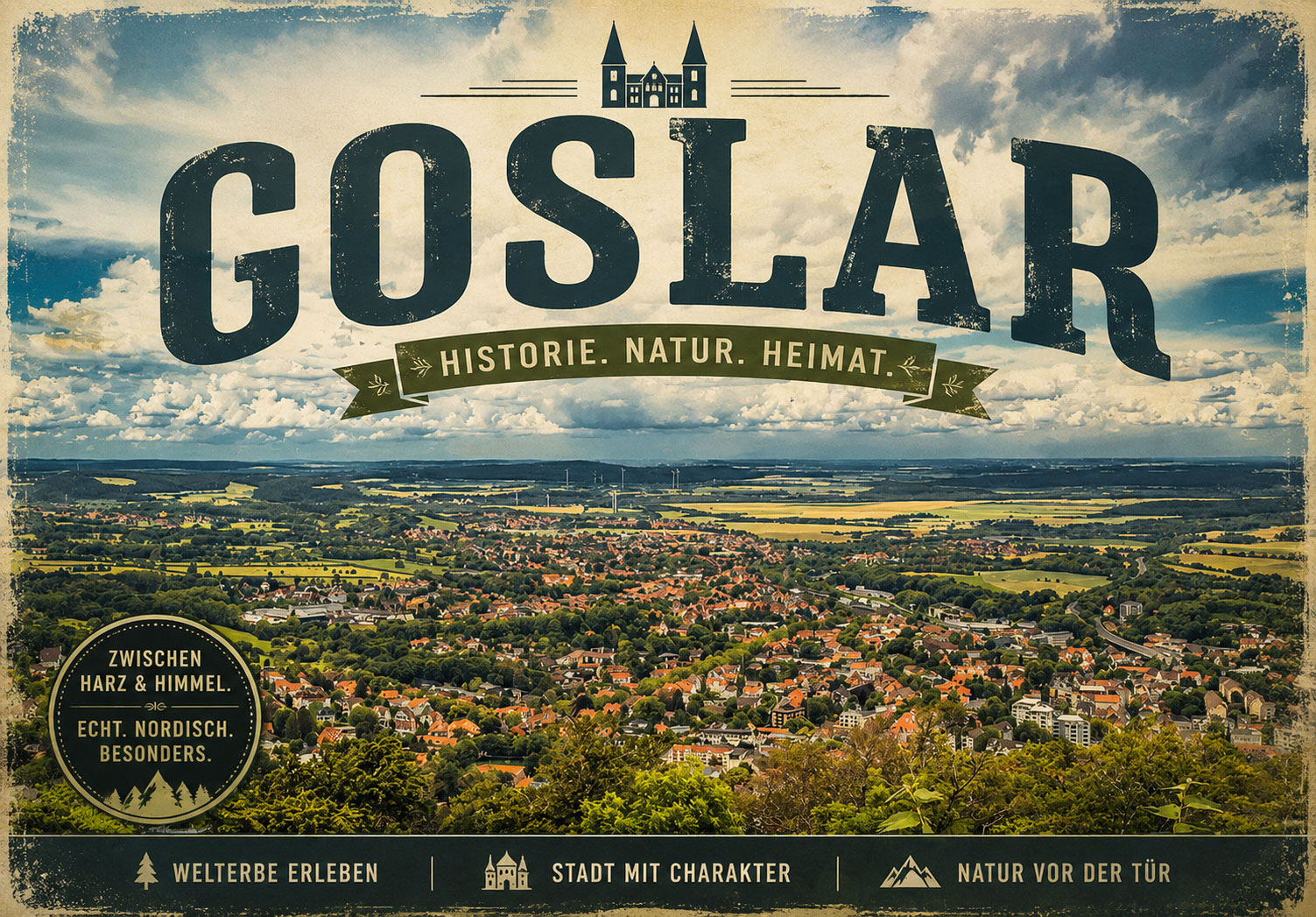
    Anyone who grew up in the Braunschweig region is probably familiar with the area around the medieval town of Goslar. During the days of East Germany, the western Harz Mountains, rising just behind the Imperial Palace town, were always a popular destination. After German reunification, tourism declined but is now slowly picking up again.

    Mauritius

    Island of Many Disappointments

    The first thing that comes to mind when people hear about the island of Mauritius is miles of white sandy beaches, palm trees and exotic wildlife. Some of these things are indeed true, but many things are actually quite different. Above all, Mauritius is still one thing: Africa.

    Activities

    • Devils Town

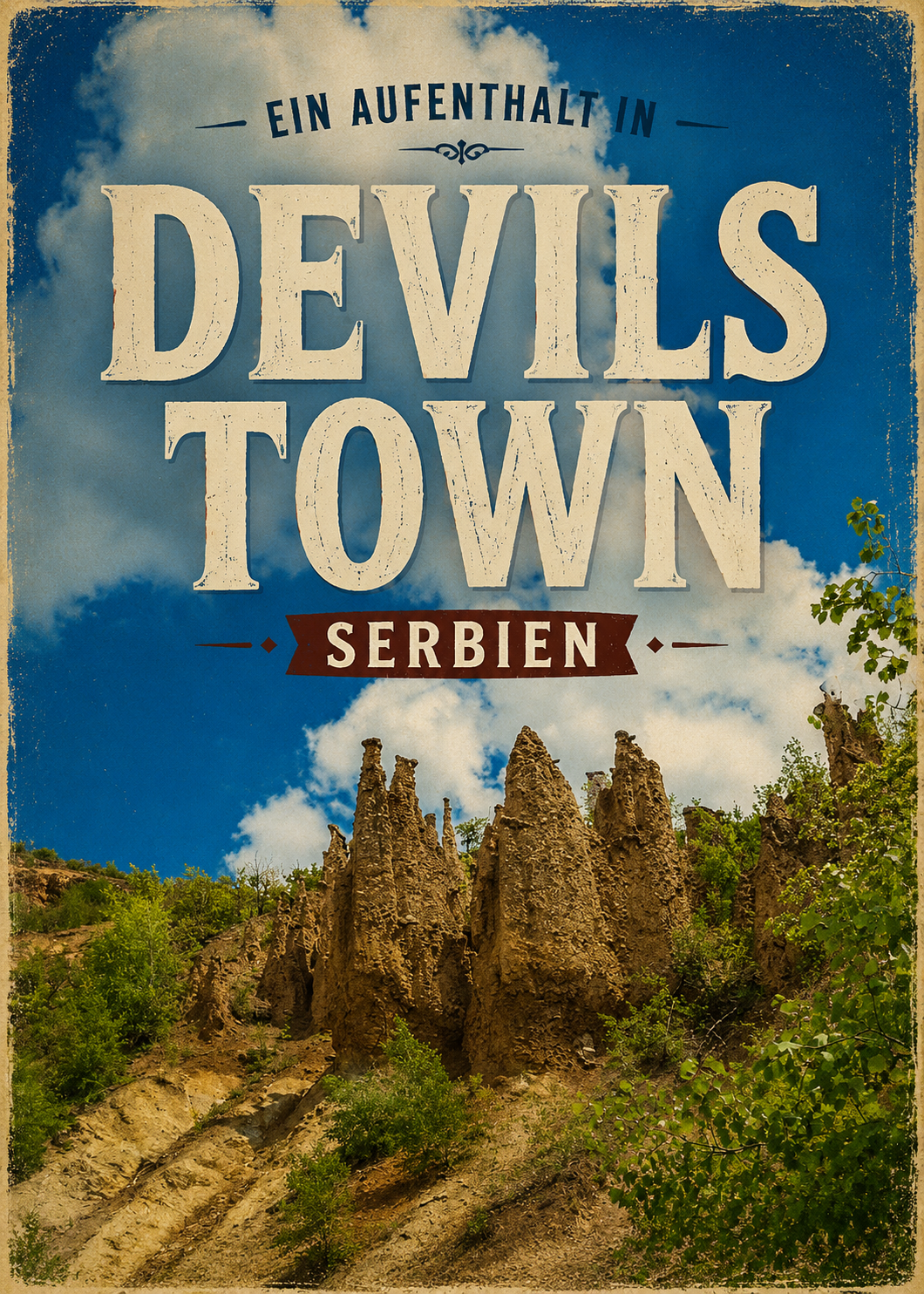
      Serbia’s cities may still seem a little grey and post-communist, but that changes as soon as you leave the city limits and reach the countryside. There you will find completely untouched, undeveloped and fascinating nature.

    • Lake Naivasha

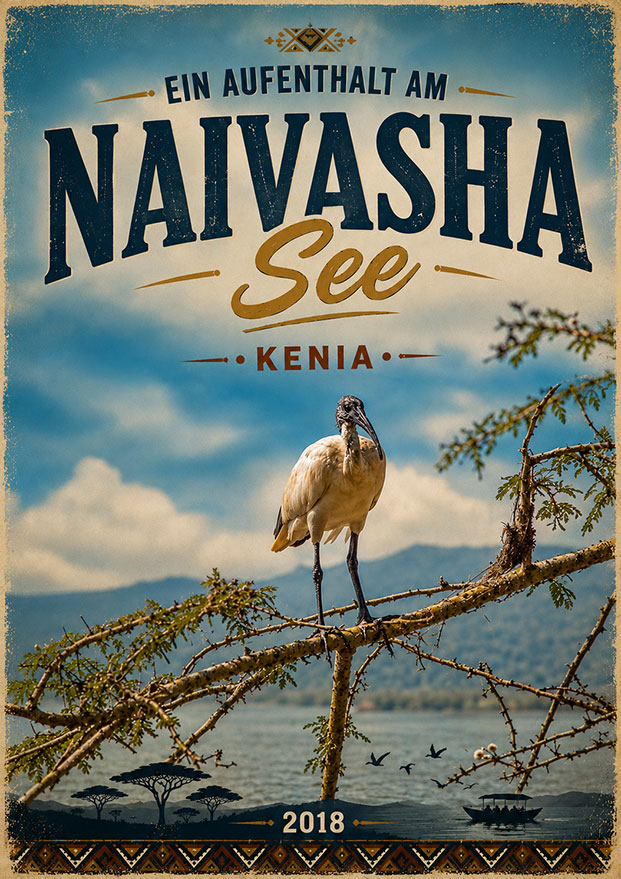
      When it comes to wildlife, count me in. Far from the hustle and bustle of the coast, there is a beautiful lake. In the middle of nowhere, marabou storks, pelicans, ibises and, of course, hippos roam.

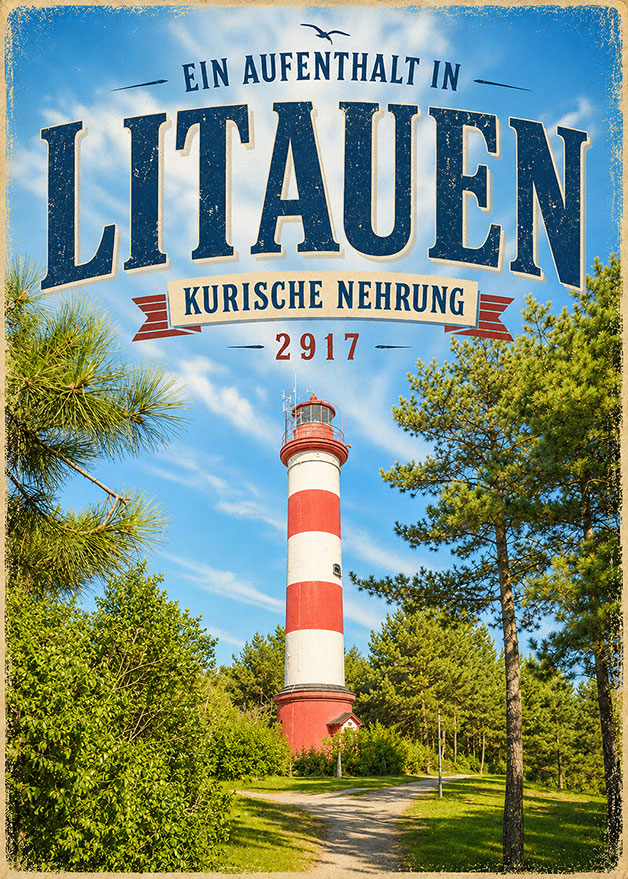
    • Kurische Nehrung

      The peninsula, almost 100 kilometres long, is shared by Russia and Lithuania. Some things are reminiscent of a North Sea island, while others recall the German past of this Baltic Sea archipelago.

    • Shimba Hills

      It cannot be compared with one of the many national parks, but the Shimba Hills nature reserve still has plenty to offer.

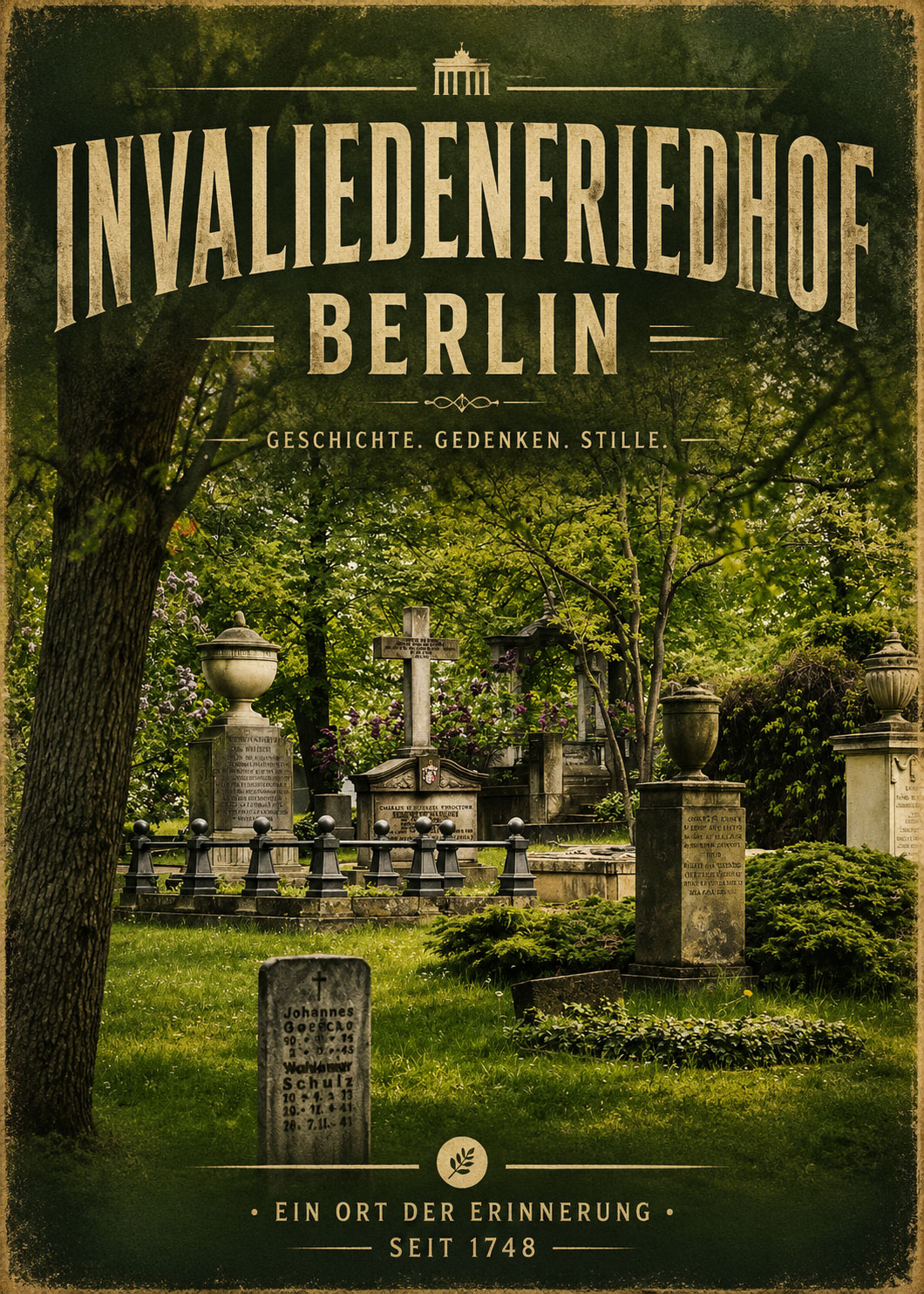
    • The Invalids’ Cemetery

      The Invalids’ Cemetery

      The Invalids’ Cemetery in Berlin is located in the middle of the city, alongside the former Wall Trail. Most people walking through it have no idea that they are passing the grave of one of history’s greatest war criminals.

    • Brooklyn Brewery

      Brooklyn Brewery in Williamsburg is one of the 4,000 active breweries in the United States. The company offers a good brewery tour, although it focuses a little too much on getting visitors to spend money.

      Cuba

      Karibischer Kommunismus.

      Not much has changed on the island of Cuba since the 1960s. Progress is only gradual. At least by the late 2010s, internet access was available, even if only for limited periods.

      Dominican Republic

      The Caribbean dream.

      The Dominican Republic does not have the best reputation. It is often seen as a party destination and a playground for older, wealthy white men. But the Samaná Peninsula does not live up to that stereotype.

      Russia

      The ultimate adventure holiday.

      Even today, many people still do not consider Russia a worthwhile travel destination. I took the plunge and immersed myself in a wonderful world full of great people.

      City breaks

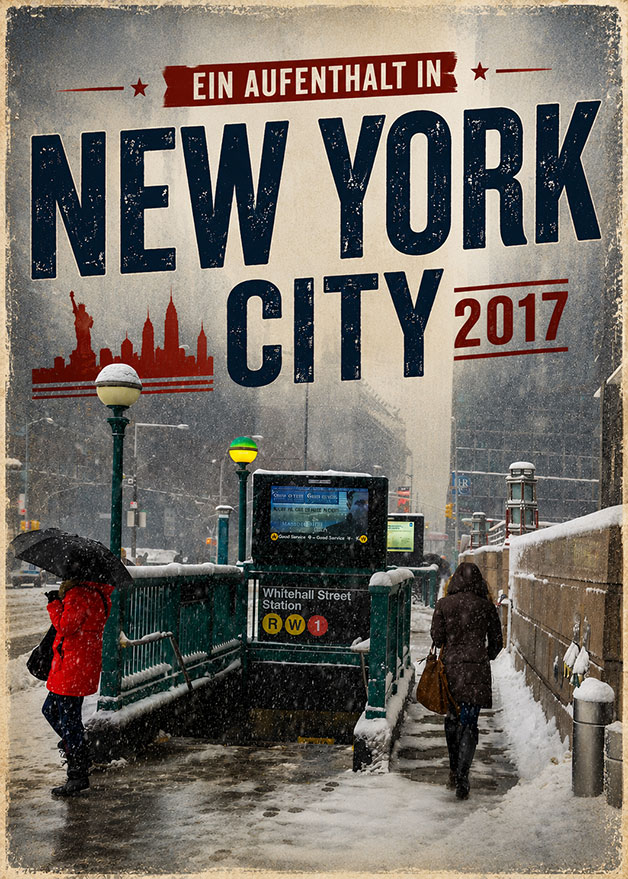
      • New York City

        With a bit of luck, I managed to catch a direct flight from Berlin to New York City just in time — shortly afterwards, Air Berlin went bankrupt. The city reminds you of a film at every turn. It is well worth a visit.

      • Riga/Kuldiga

        The Baltic country has long since ceased to be an insider tip. However, tourism is concentrated almost entirely on Riga. The really interesting places are to be found beyond Latvia’s major cities.

      • Prague

        For 30 years now, Prague has experienced an uninterrupted influx of tourists from all over the world. If you choose the right time of year, however, the city can be explored at a very relaxed pace.

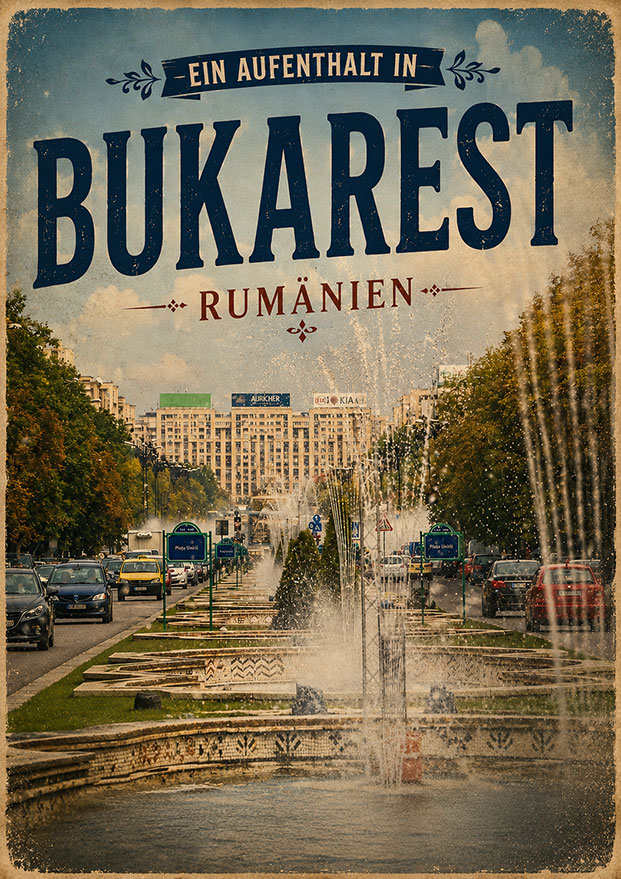
      • Bucharest

        Bucharest is the European Union’s seventh-largest city. Located in southern Romania, it stands out for its post-communist architecture and still-affordable cost of living.

      • Niš

        Niš

        The city of Niš lies in southern Serbia, roughly between Sofia and Kosovo. Although most people have never heard of it, the surrounding area has a great deal to offer.

      • Kraków

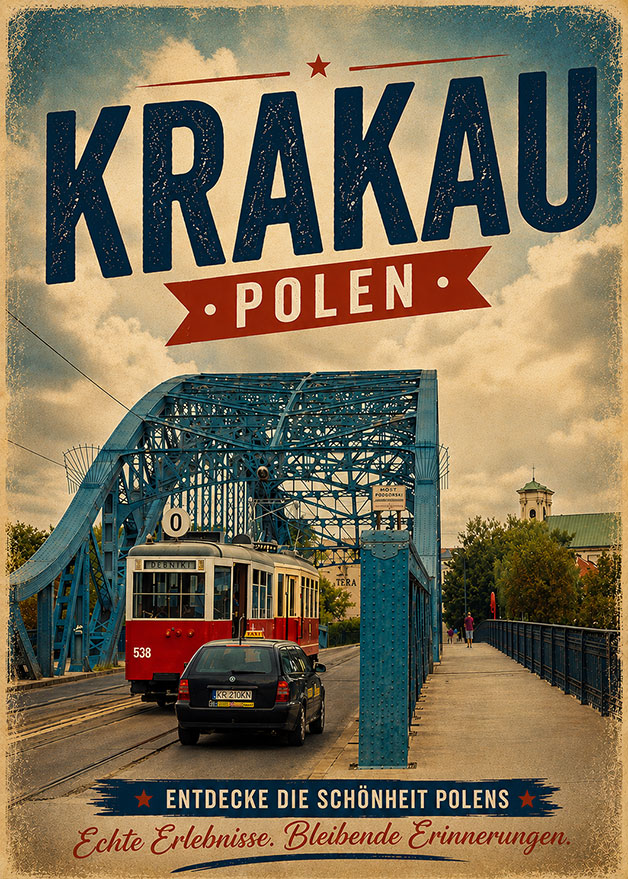
        Kraków is one of Poland’s most interesting cities. Far to the east, it has a great deal of history to offer. Follow in the footsteps of Oskar Schindler.