Switch to english versionsprache de grau

    New Accommodation for Refugees in Berlin’s Märkisches Viertel

    4.8 of 5 (6 Votes)

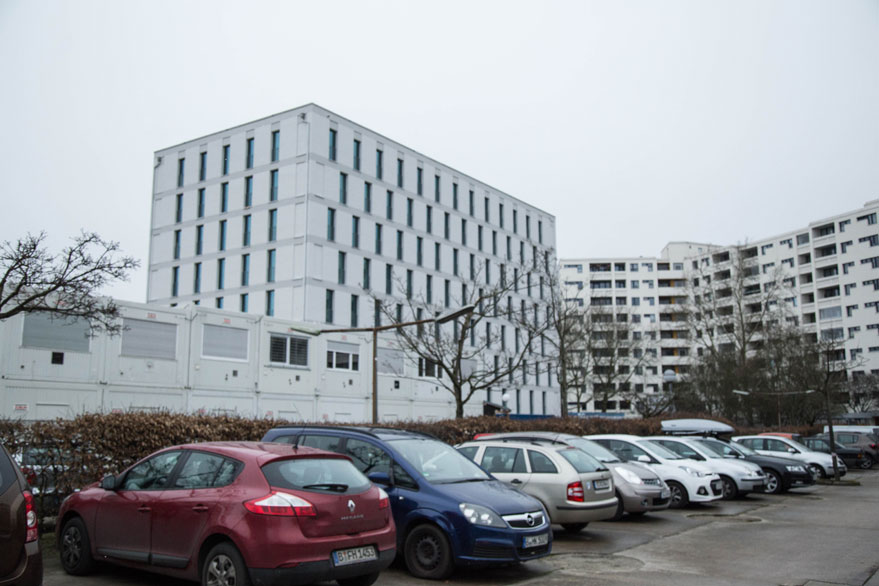
    New apartments for refugees in Märkisches ViertelThe time is almost here: the Märkisches Viertel in Berlin is about to gain many new residents at once. Naturally, Berlin's red-red-green Senate has made sure to further expand the colourful life among the high-rise buildings. In order to increase the proportion of residents with a migrant background in this Berlin neighbourhood a little more, 500 so-called “people who have fled” (to use GESOBAU's own words) from the alleged crisis regions of the world are set to enrich the Märkisches Viertel in the future. The city of Berlin is sparing no expense for this: new living spaces are being rapidly built from the ground up for the new academics and skilled workers who will supposedly secure our pensions in the future. Among specialists, the cube-shaped property is also known as an MUF (Modular Accommodation for Refugees). Strange. Something that normally takes decades in Berlin – housing construction – can suddenly be done very quickly. The stated aim is:

    “To provide refugees with decent accommodation.”

    That is what GESOBAU says on its website. Understandable. The skilled workers should, after all, be comfortable, given the value they are expected to contribute to the country.

    To avoid stirring up envy among the people who have lived here for longer, GESOBAU confidently announces:

    “The aim is to create more regular housing for all population groups in Berlin in the medium term.” It goes on: “At a later date, the apartments will be available as ordinary housing to all population groups.”

    That is very commendable and selfless of GESOBAU. It has not forgotten the other “population groups”. But there is a catch: as we all know, large numbers of “refugees” are currently arriving in the country. At the current rate, whenever an apartment becomes available, more “refugees” will move in. And if there is no change in policy, this will continue for the next 20 years. In other words, the apartments will not be available on Berlin's open housing market to the tens of thousands of people from other population groups who are looking for housing. Even if they were, the building would probably first have to be completely stripped back and renovated before being released for general use. In the worst case, complete demolition could be necessary. What GESOBAU says about this is therefore completely unrealistic. Anyone who has looked at the buildings will quickly realise that these cubic structures are hardly likely to create a cosy living environment. Reuse is desirable, but probably not feasible with this design.

    Residents of the Märkisches Viertel are also asking another question: who will move in there? GESOBAU naturally has a suitable answer for that, too:

    “Families with children, single people and shared apartments will find a new home here.”

    At first glance, that sounds like a lovely, harmonious world and pure social romanticism. The fact is, however, that only a few families are among the people described as “refugees”. Young male economic migrants are the rule; women and families are more the exception. And what about the ethnic backgrounds of the new neighbours? What happens if they are not compatible with the people who have lived here for longer? The Märkisches Viertel is home to many different nationalities. Conflicts are therefore inevitable. More like a source of tension than a social enrichment. As if the Märkisches Viertel did not already have enough problems. Here, too, GESOBAU knows how to reassure the public, gloss over everything and paint a rosy picture. A culture of welcome, with get-togethers and meet-and-greet parties. It is hard to believe that the arrival of more people from the world's crisis regions will improve quality of life in the Märkisches Viertel. So far, however, things have remained quiet around the refugee accommodation in the Märkisches Viertel. The building, with its nicely fitted kitchens, has been ready for occupancy for months. Yet no residents have arrived so far. The reason: no operator has been found for the refugee accommodation. That is unlikely to bother anyone in the neighbourhood. But perhaps this is only the calm before the storm.

    Update: Apparently, the first residents moved into the accommodation in mid-December 2018. It will now be interesting to see how the newcomers integrate into the Märkisches Viertel.



    Comments

    0
    Andreas KandiS
    8 years ago
    Well, one thing that was unfortunately forgotten here is that they were generous enough to also include underfloor heating.
    Like Like Quote

    Add comment

    Submit

    Found nothing?

    Latest Comments

    Kenya

    Nature, Wildlife and Beaches

    The African continent consists of many countries with a wide variety of cultures and fascinating flora and fauna. However, not all countries are as easy to explore as a tourist destination as Kenya.

    Goslar

    Where the World Is Still in Order

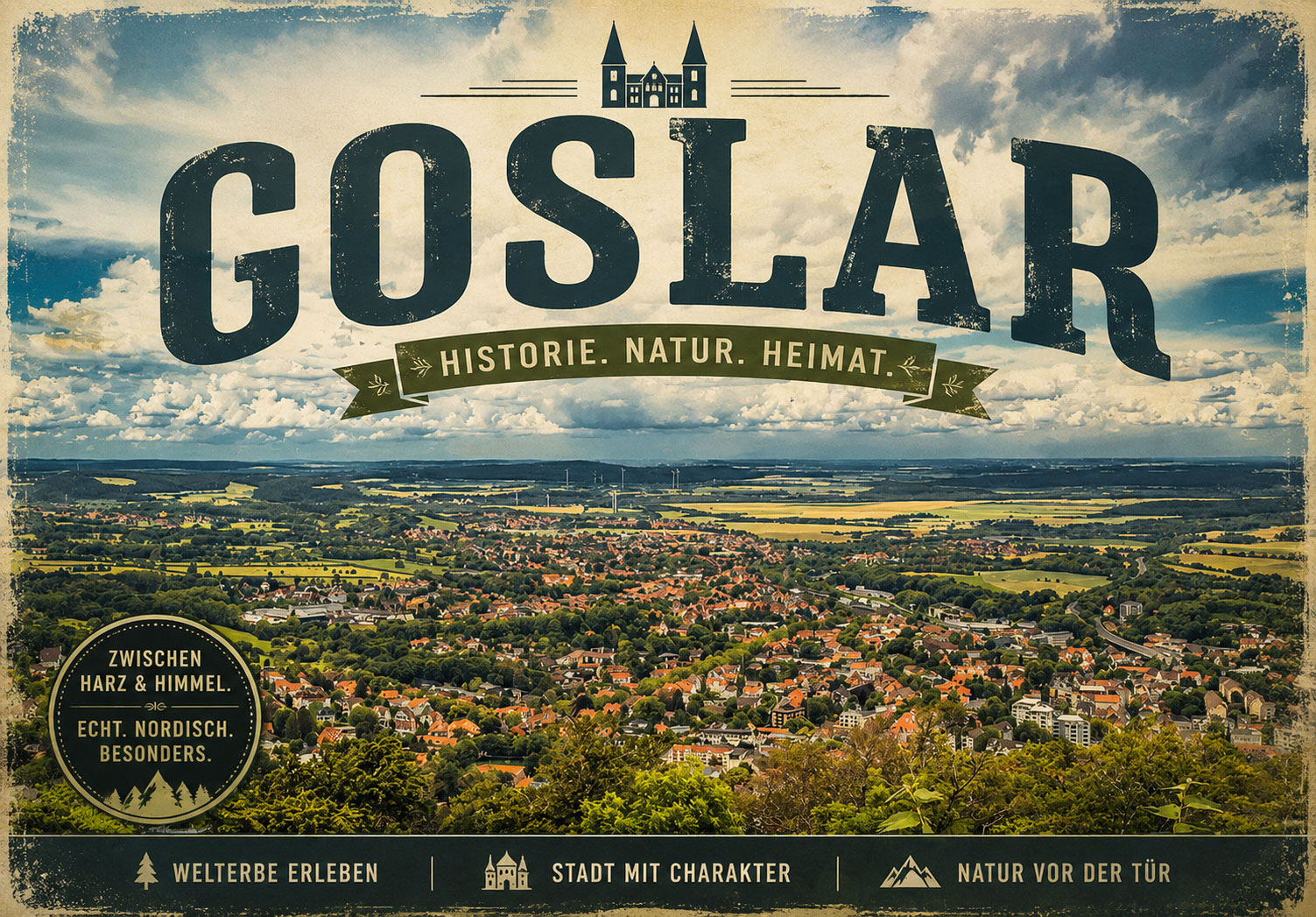
    Anyone who grew up in the Braunschweig region is probably familiar with the area around the medieval town of Goslar. During the days of East Germany, the western Harz Mountains, rising just behind the Imperial Palace town, were always a popular destination. After German reunification, tourism declined but is now slowly picking up again.

    Mauritius

    Island of Many Disappointments

    The first thing that comes to mind when people hear about the island of Mauritius is miles of white sandy beaches, palm trees and exotic wildlife. Some of these things are indeed true, but many things are actually quite different. Above all, Mauritius is still one thing: Africa.

    Activities

    • Devils Town

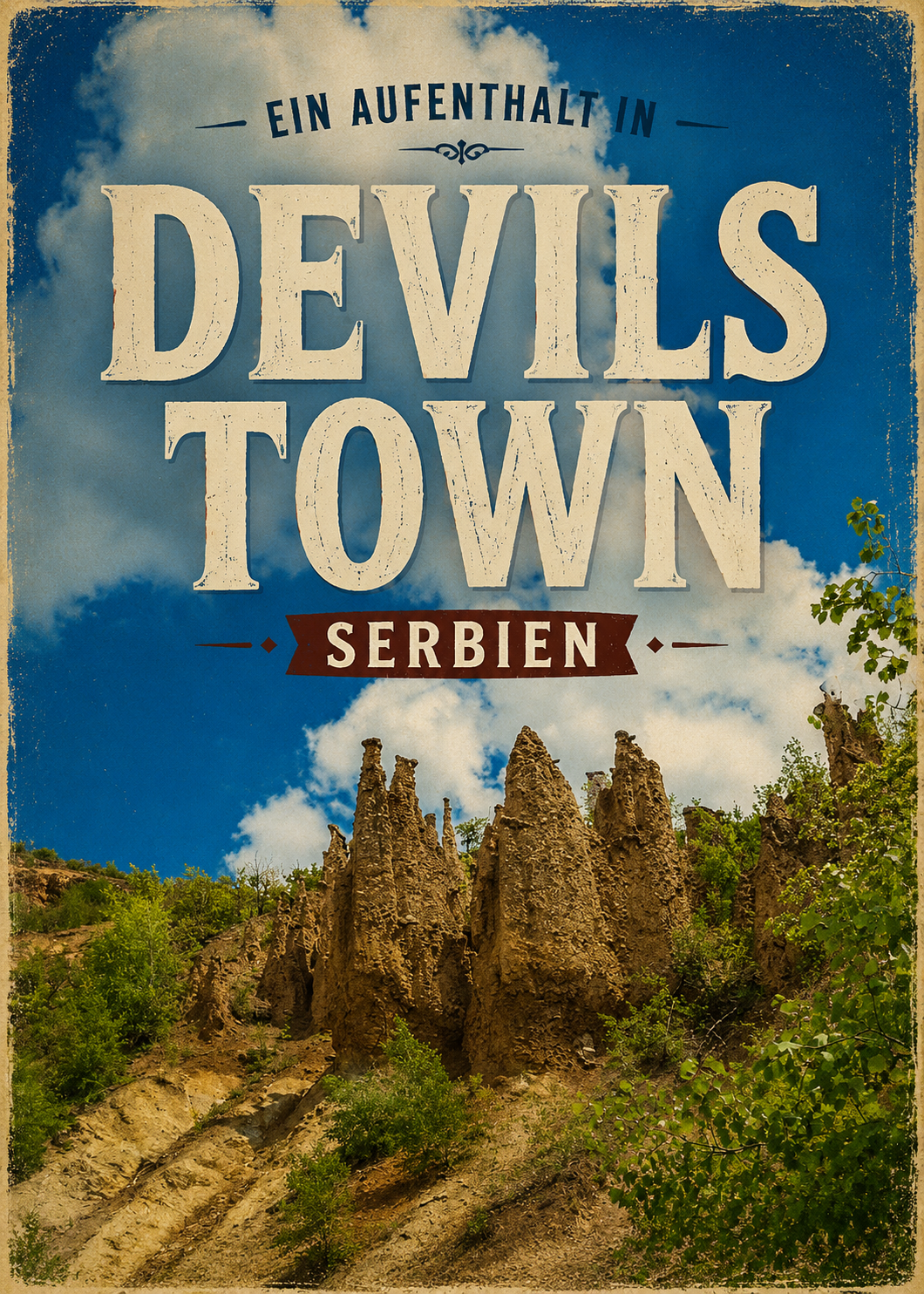
      Serbia’s cities may still seem a little grey and post-communist, but that changes as soon as you leave the city limits and reach the countryside. There you will find completely untouched, undeveloped and fascinating nature.

    • Lake Naivasha

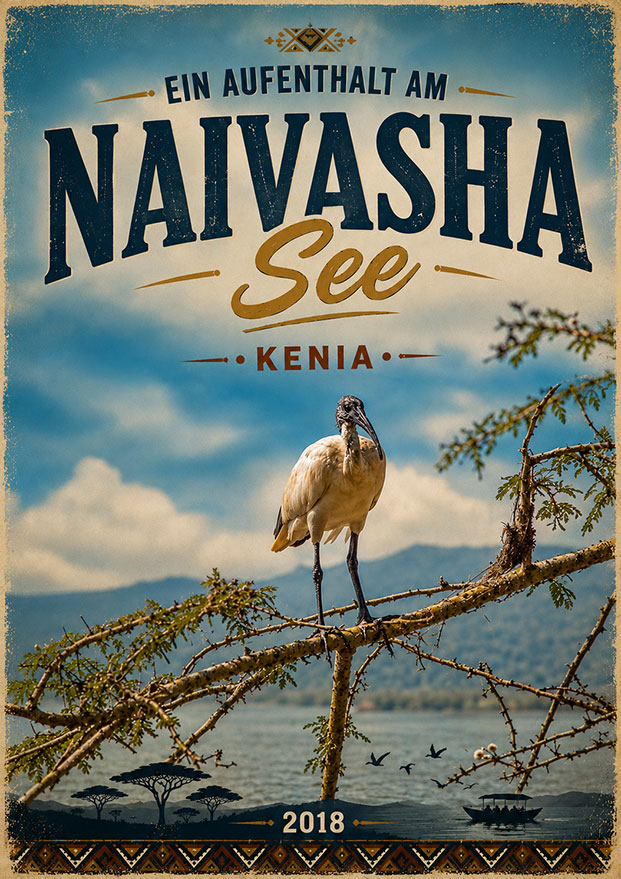
      When it comes to wildlife, count me in. Far from the hustle and bustle of the coast, there is a beautiful lake. In the middle of nowhere, marabou storks, pelicans, ibises and, of course, hippos roam.

    • Kurische Nehrung

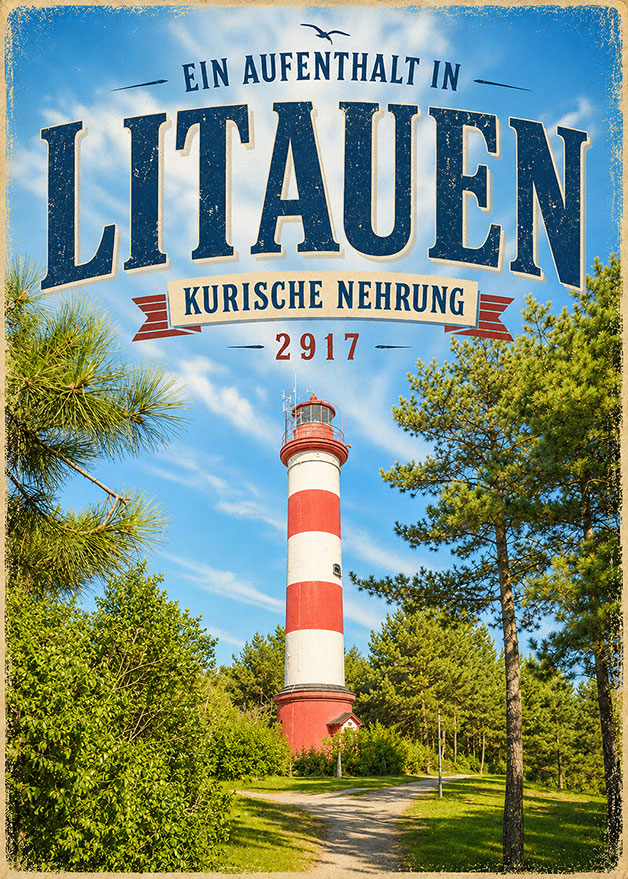
      The peninsula, almost 100 kilometres long, is shared by Russia and Lithuania. Some things are reminiscent of a North Sea island, while others recall the German past of this Baltic Sea archipelago.

    • Shimba Hills

      It cannot be compared with one of the many national parks, but the Shimba Hills nature reserve still has plenty to offer.

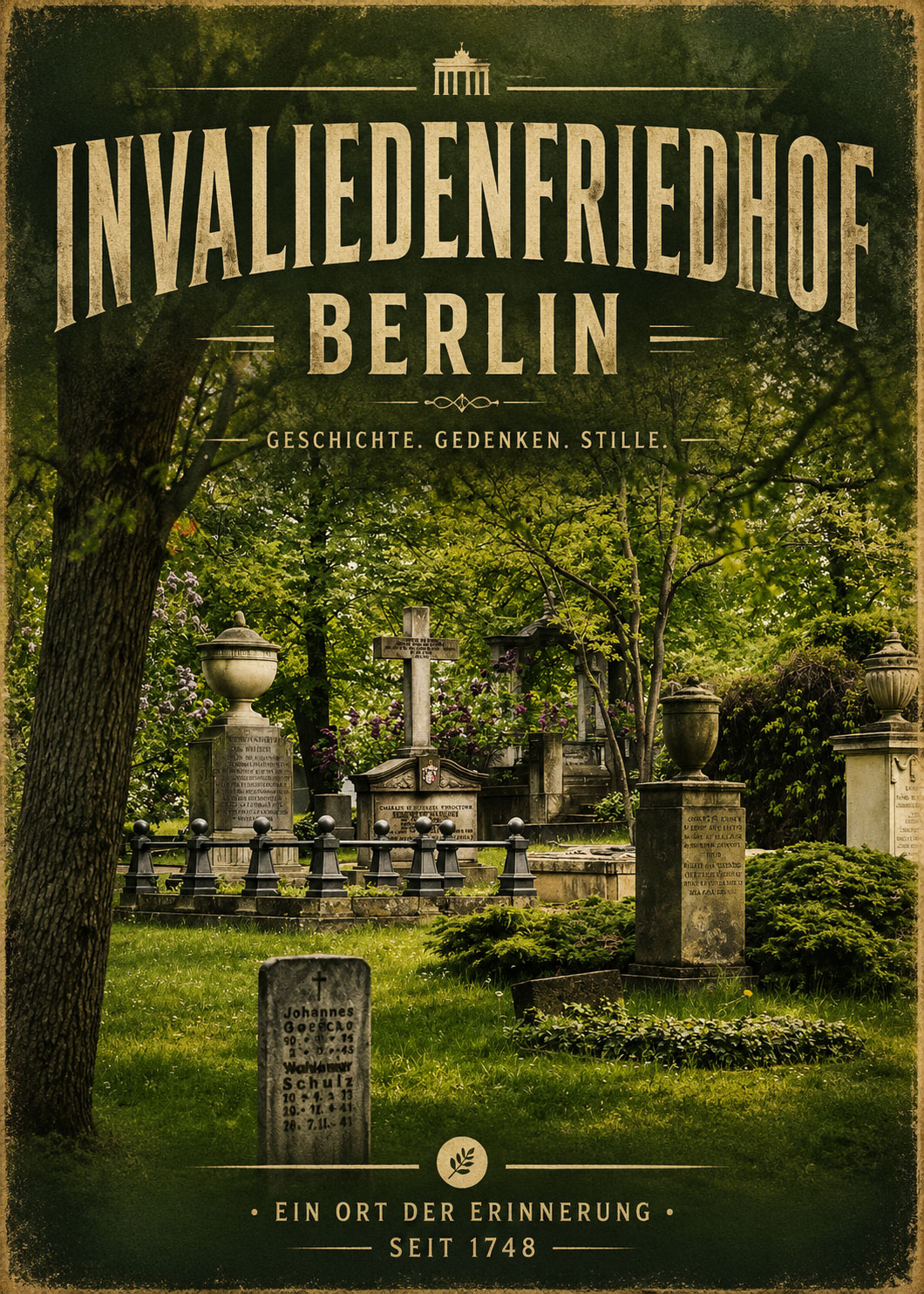
    • The Invalids’ Cemetery

      The Invalids’ Cemetery

      The Invalids’ Cemetery in Berlin is located in the middle of the city, alongside the former Wall Trail. Most people walking through it have no idea that they are passing the grave of one of history’s greatest war criminals.

    • Brooklyn Brewery

      Brooklyn Brewery in Williamsburg is one of the 4,000 active breweries in the United States. The company offers a good brewery tour, although it focuses a little too much on getting visitors to spend money.

      Cuba

      Karibischer Kommunismus.

      Not much has changed on the island of Cuba since the 1960s. Progress is only gradual. At least by the late 2010s, internet access was available, even if only for limited periods.

      Dominican Republic

      The Caribbean dream.

      The Dominican Republic does not have the best reputation. It is often seen as a party destination and a playground for older, wealthy white men. But the Samaná Peninsula does not live up to that stereotype.

      Russia

      The ultimate adventure holiday.

      Even today, many people still do not consider Russia a worthwhile travel destination. I took the plunge and immersed myself in a wonderful world full of great people.

      City breaks

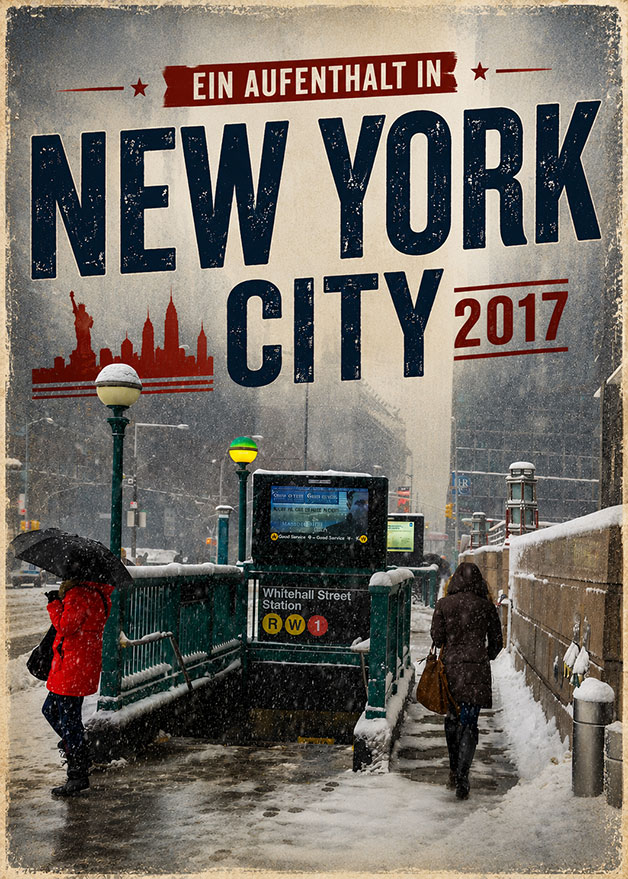
      • New York City

        With a bit of luck, I managed to catch a direct flight from Berlin to New York City just in time — shortly afterwards, Air Berlin went bankrupt. The city reminds you of a film at every turn. It is well worth a visit.

      • Riga/Kuldiga

        The Baltic country has long since ceased to be an insider tip. However, tourism is concentrated almost entirely on Riga. The really interesting places are to be found beyond Latvia’s major cities.

      • Prague

        For 30 years now, Prague has experienced an uninterrupted influx of tourists from all over the world. If you choose the right time of year, however, the city can be explored at a very relaxed pace.

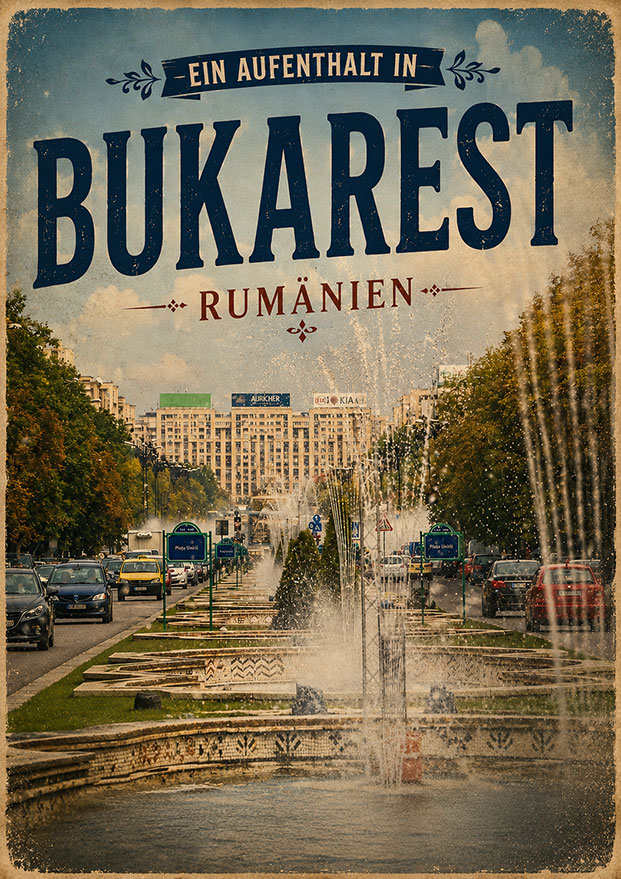
      • Bucharest

        Bucharest is the European Union’s seventh-largest city. Located in southern Romania, it stands out for its post-communist architecture and still-affordable cost of living.

      • Niš

        Niš

        The city of Niš lies in southern Serbia, roughly between Sofia and Kosovo. Although most people have never heard of it, the surrounding area has a great deal to offer.

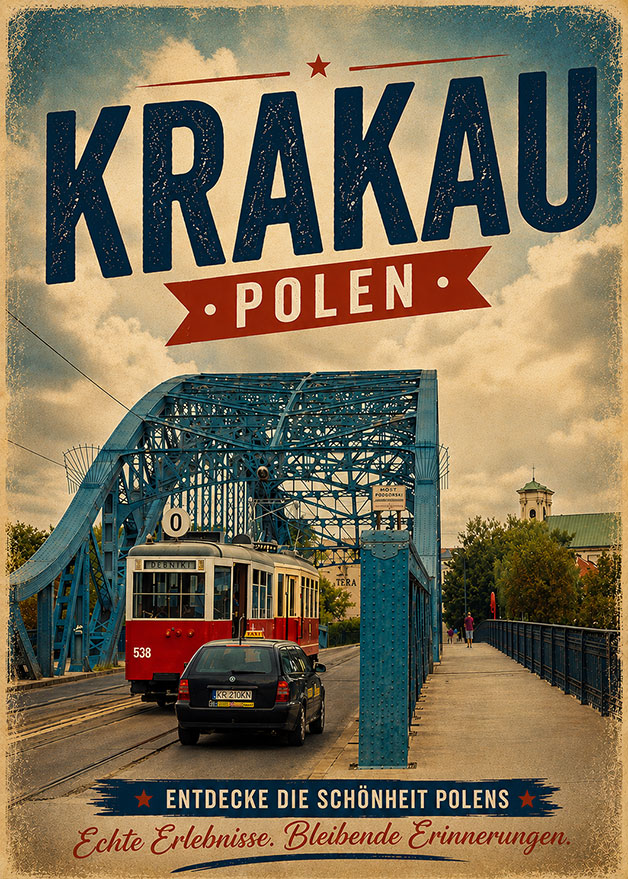
      • Kraków

        Kraków is one of Poland’s most interesting cities. Far to the east, it has a great deal of history to offer. Follow in the footsteps of Oskar Schindler.