Switch to english versionsprache de grau

    Living Under the Same Roof as Your Landlord

    4.8 of 5 (5 Votes)

    There is an unwritten rule: never live under the same roof as your landlord. Unfortunately, following this rule is not always easy, especially in rural areas. There are few housing companies out in the provinces, so properties are often rented out privately. These are the famous self-contained flats within a landlord’s own home. And if the owners do not live in the same building, they usually live right next door – naturally with an unobstructed view of their precious retirement investment. For a hefty price per square metre, tenants are allowed to occupy a property temporarily, while the owners continue to regard it as their own domain, complete with unlimited rights of access. And, as so often happens, the landlord who initially seems open-minded, understanding, tolerant and friendly soon turns out to be a control-obsessed nuisance. Under the guise of friendly, harmonious cohabitation, the tenant is constantly watched. How often does the tenant do laundry? How often do visitors come round? When are they at home? Are they blocking the rubbish bins? The checklist could easily be as detailed as a Stasi surveillance file. House rules are introduced, too – rules that make no sense and have nothing to do with normal living arrangements, let alone tenancy law. They are usually handwritten and posted somewhere in the hallway. Sometimes written notes about alleged misconduct are even pushed through the tenant’s letterbox. What follows is a steady stream of lectures and reprimands from the landlord. Ideally, property owners want their tenants to approach them as grateful supplicants at all times, begging for forgiveness and crawling on their knees. Tenants are supposed to be grateful simply to be allowed to live in such a wonderful residential complex (even if it is an absolute dump). The fact that this often comes at an outrageously high rental price is conveniently forgotten. Any complaint about defects in the property is immediately taken as a personal attack. Naturally, any damage that occurs is the tenant’s fault and must have resulted from improper use. Suddenly there is a hairline crack in the entrance-door glass: “That must have happened when you moved in.” Something falls over in the garage: “That was probably your cats.” If the tenant stands up for themselves, a termination notice soon arrives. The landlord finds it hard to accept the inevitable defeat in court. The whole world has conspired against them. Often, the property owner is driven by an overwhelming fear of loss. Their hard-earned retirement savings might be at risk, after all. The constant threat of so-called rent nomads – the line between fear and phobia is a fine one. The typical landlord is male, in his late fifties, married, and no longer has much of a say at home. Things become particularly delicate when young single women live in the property. The landlord can then often be spotted carrying out various “maintenance tasks” beneath their windows. The hoped-for glimpse of bare skin, or even a lively little scene, is apparently regarded as an additional form of rent. The grand finale of every tenancy is the handover of the flat when the tenant moves out. This is where highly dramatic scenes unfold, not infrequently ending in theatrical fits of rage on the landlord’s part. Every scratch and every sign of wear is criticised, each accompanied by the words: “I’ll deduct that from your deposit.” Tenants are charged for things that are entirely the landlord’s responsibility. At this point, the landlord is very quick to invent a legal system of their own. In the end, the owner stands in the now-empty property, distraught and sentimental, looking ready to cry, lamenting the decline of the landlord-tenant relationship. At this point, I can barely hold back my tears either. People, please show your landlords a little more understanding! Out of pure charity, they rent out their properties at cost price and are only ever taken advantage of. This has to stop!

    Comments

    0
    Hendrik Lorenz
    6 years ago
    Good day. You are certainly right—there are indeed tenants whom one might justifiably wish to see leave. In your case, however, the fault does not lie with the tenant, but rather with you. When renting out one’s own property, it is standard practice to separate all utility consumption units; this is invariably the fairest approach, and anything else is arguably negligent. Furthermore, hosting friends and relatives is permitted, provided it does not exceed a certain duration—this is simply how the law is structured. In this sense, your landlord is not doing anything unlawful; you would only have grounds to object if one of these individuals were to take up permanent residence. Otherwise, you must accept the situation, regardless of whether you find it agreeable, perceive it as unfair, or otherwise dislike it. As for the 550 euros—that could be a significant amount or a small one, depending entirely on the location of the rental property.
    Like Like Quote
    0
    A. Pehlke
    6 years ago
    I am a landlord, and I am in exactly this situation.

    I have one water meter and one gas meter for the entire house.

    The rental agreement is for one person.

    However, this person now has constant, long-term guests who frequently take baths and stay overnight.

    First, there’s a female friend for two weeks, then, in quick succession, her mother for three days, and then her boyfriend.

    She is never alone.

    She is constantly hosting two, or even three, other people.

    Water consumption is driven by the number of people, and gas consumption by the square footage.

    I feel taken advantage of. In just two weeks, we’ve used 4,000 liters of water—supposedly for three people.

    I have tried to explain several times why this isn’t acceptable. She is currently in an apprenticeship and doesn’t earn much, so I even offered her a lower rent.

    It’s €550 a month, including utilities, for a 54-square-meter renovated apartment that comes with a fitted kitchen.

    I suppose it just goes to show that there are "bad apples" everywhere.
    Like Like Quote

    Add comment

    Submit

    Found nothing?

    Latest Comments

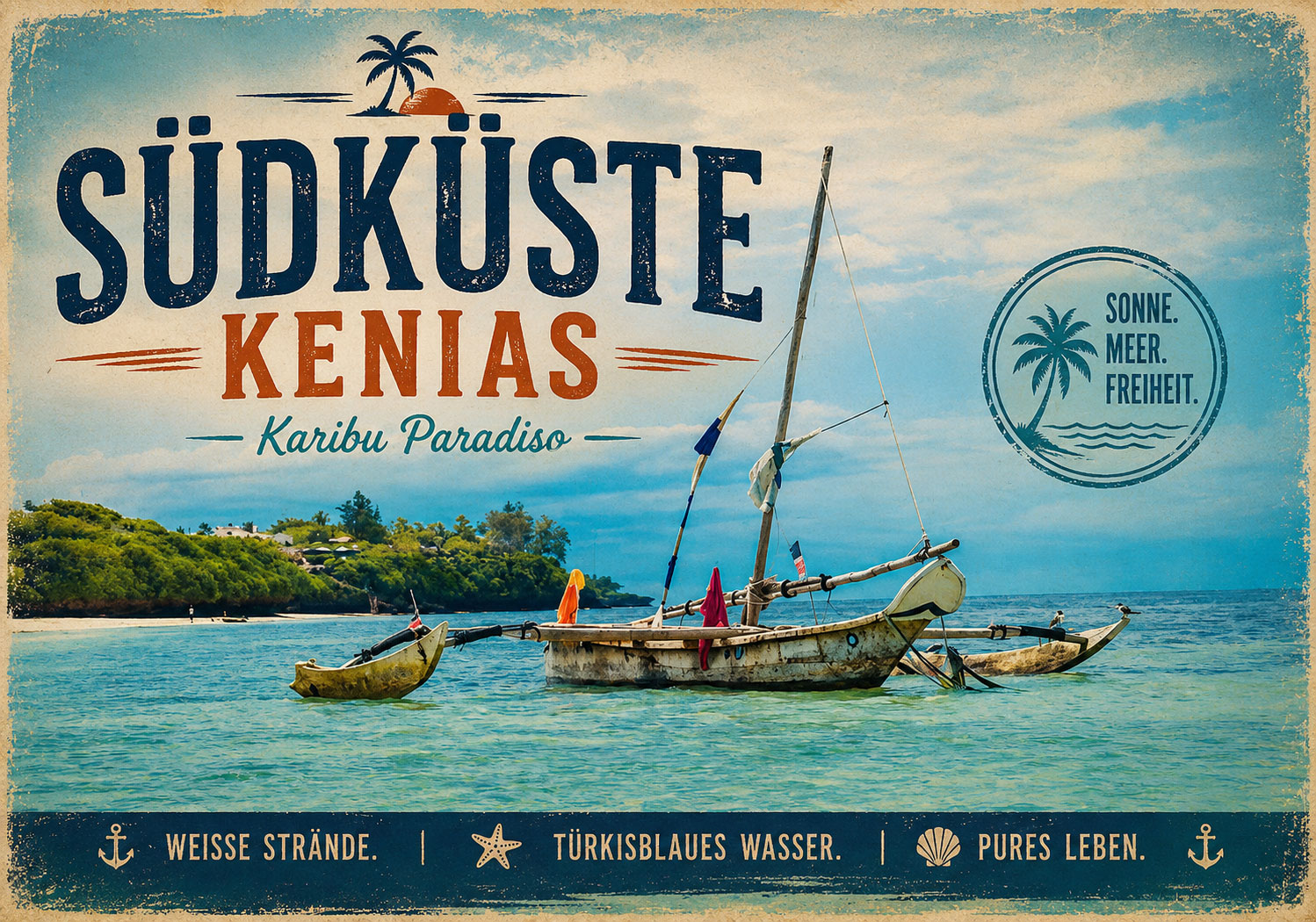
    Kenya

    Nature, Wildlife and Beaches

    The African continent consists of many countries with a wide variety of cultures and fascinating flora and fauna. However, not all countries are as easy to explore as a tourist destination as Kenya.

    Goslar

    Where the World Is Still in Order

    Anyone who grew up in the Braunschweig region is probably familiar with the area around the medieval town of Goslar. During the days of East Germany, the western Harz Mountains, rising just behind the Imperial Palace town, were always a popular destination. After German reunification, tourism declined but is now slowly picking up again.

    Mauritius

    Island of Many Disappointments

    The first thing that comes to mind when people hear about the island of Mauritius is miles of white sandy beaches, palm trees and exotic wildlife. Some of these things are indeed true, but many things are actually quite different. Above all, Mauritius is still one thing: Africa.

    Activities

    • Devils Town

      Serbia’s cities may still seem a little grey and post-communist, but that changes as soon as you leave the city limits and reach the countryside. There you will find completely untouched, undeveloped and fascinating nature.

    • Lake Naivasha

      When it comes to wildlife, count me in. Far from the hustle and bustle of the coast, there is a beautiful lake. In the middle of nowhere, marabou storks, pelicans, ibises and, of course, hippos roam.

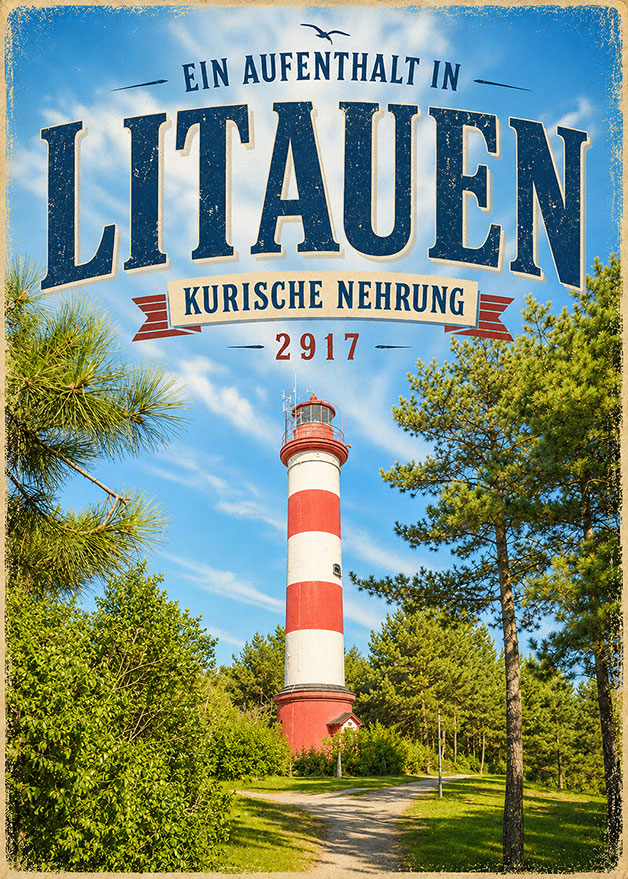
    • Kurische Nehrung

      The peninsula, almost 100 kilometres long, is shared by Russia and Lithuania. Some things are reminiscent of a North Sea island, while others recall the German past of this Baltic Sea archipelago.

    • Shimba Hills

      It cannot be compared with one of the many national parks, but the Shimba Hills nature reserve still has plenty to offer.

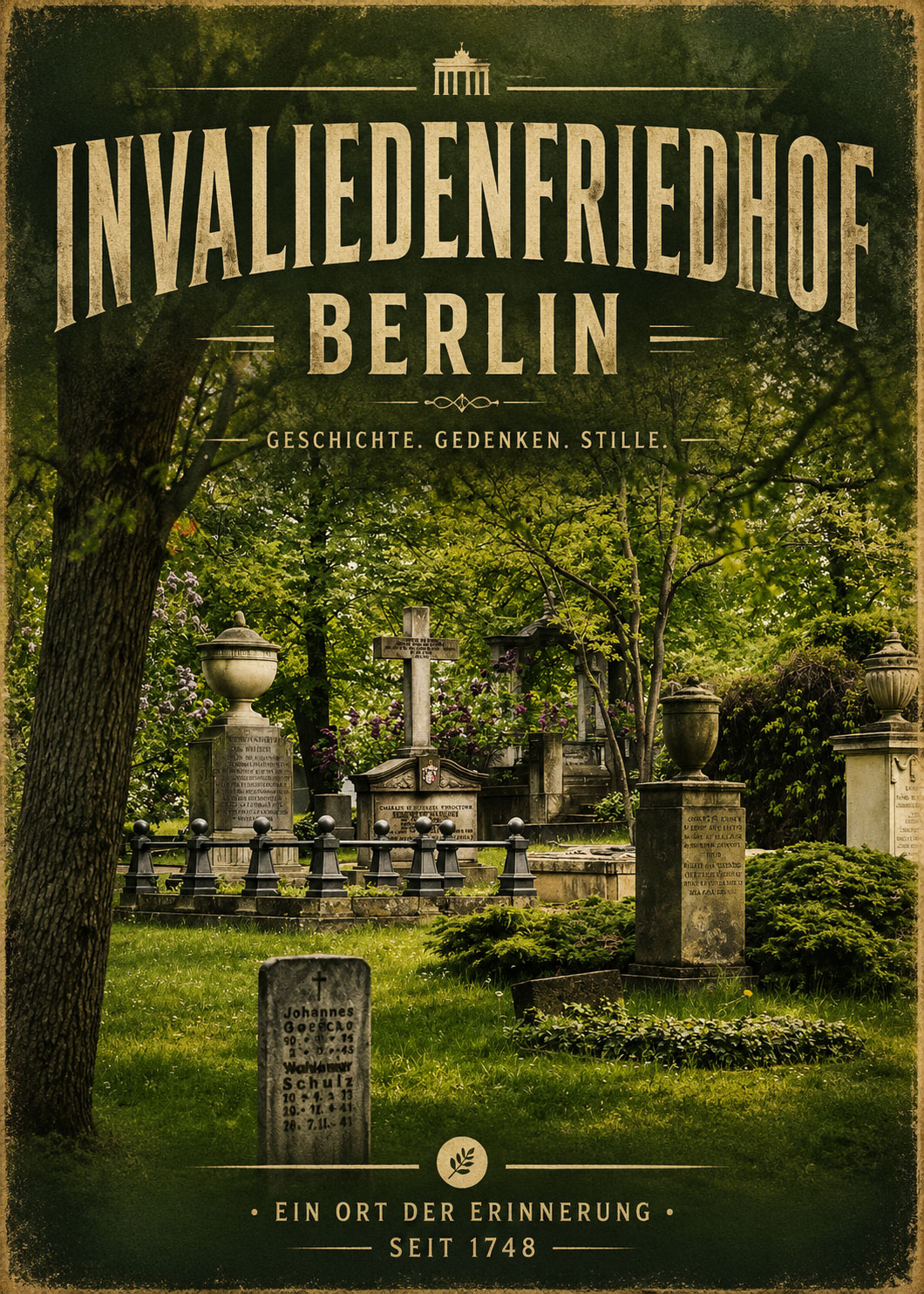
    • The Invalids’ Cemetery

      The Invalids’ Cemetery

      The Invalids’ Cemetery in Berlin is located in the middle of the city, alongside the former Wall Trail. Most people walking through it have no idea that they are passing the grave of one of history’s greatest war criminals.

    • Brooklyn Brewery

      Brooklyn Brewery in Williamsburg is one of the 4,000 active breweries in the United States. The company offers a good brewery tour, although it focuses a little too much on getting visitors to spend money.

      Cuba

      Karibischer Kommunismus.

      Not much has changed on the island of Cuba since the 1960s. Progress is only gradual. At least by the late 2010s, internet access was available, even if only for limited periods.

      Dominican Republic

      The Caribbean dream.

      The Dominican Republic does not have the best reputation. It is often seen as a party destination and a playground for older, wealthy white men. But the Samaná Peninsula does not live up to that stereotype.

      Russia

      The ultimate adventure holiday.

      Even today, many people still do not consider Russia a worthwhile travel destination. I took the plunge and immersed myself in a wonderful world full of great people.

      City breaks

      • New York City

        With a bit of luck, I managed to catch a direct flight from Berlin to New York City just in time — shortly afterwards, Air Berlin went bankrupt. The city reminds you of a film at every turn. It is well worth a visit.

      • Riga/Kuldiga

        The Baltic country has long since ceased to be an insider tip. However, tourism is concentrated almost entirely on Riga. The really interesting places are to be found beyond Latvia’s major cities.

      • Prague

        For 30 years now, Prague has experienced an uninterrupted influx of tourists from all over the world. If you choose the right time of year, however, the city can be explored at a very relaxed pace.

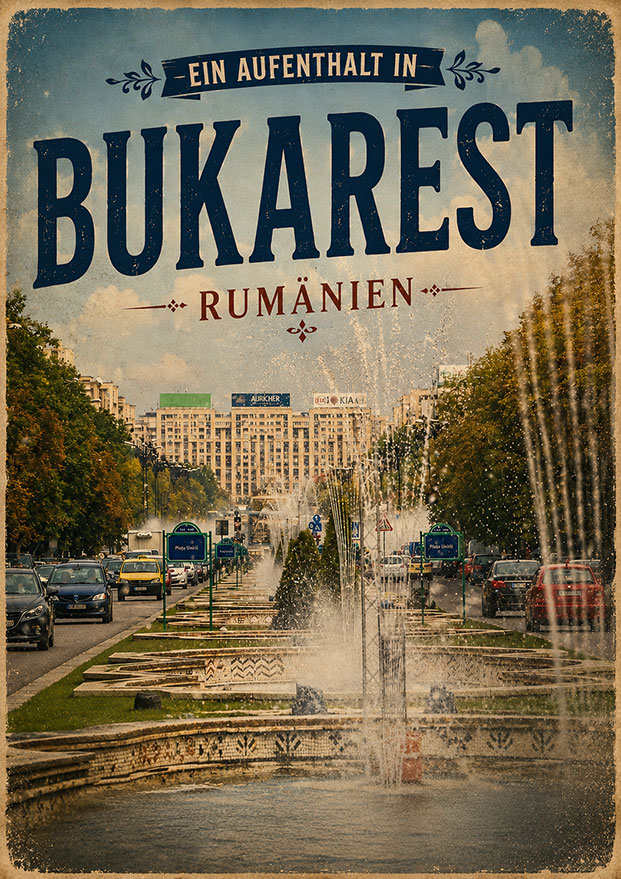
      • Bucharest

        Bucharest is the European Union’s seventh-largest city. Located in southern Romania, it stands out for its post-communist architecture and still-affordable cost of living.

      • Niš

        Niš

        The city of Niš lies in southern Serbia, roughly between Sofia and Kosovo. Although most people have never heard of it, the surrounding area has a great deal to offer.

      • Kraków

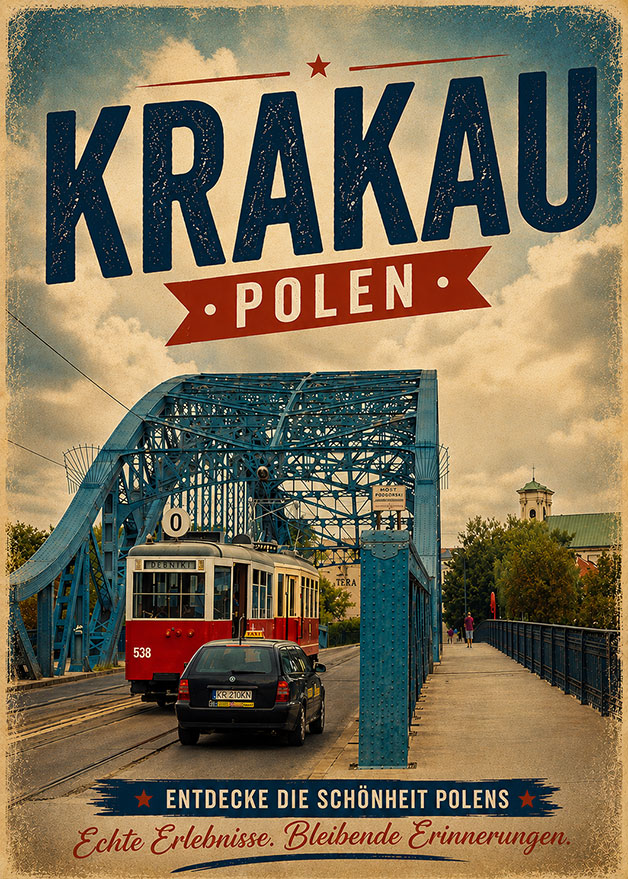
        Kraków is one of Poland’s most interesting cities. Far to the east, it has a great deal of history to offer. Follow in the footsteps of Oskar Schindler.