Switch to english versionsprache de grau

    Travel Report: Shimba Hills National Reserve (Kenya) 2018

    4.6 of 5 (7 Votes)

    sheldricks fallsThe plunge into the cool water is well worth it...

    The Shimba Hills National Reserve is located just 30 minutes from Diani Beach. Admission for the driver, vehicle and two passengers costs 30 euros. A single ticket for a tourist costs 25 euros, while local residents pay 5 euros. That is relatively inexpensive for what is on offer. Payment by credit card is also possible. The drive through Shimba Hills Reserve took us along the typical red-sand tracks found in Kenya, just like in other parks across the country. There are signposts everywhere to help visitors find their way around this vast open reserve. It is always difficult to predict what you will get to see. Ultimately, it is a matter of luck: unlike the savannah in Tsavo, this hilly, densely forested area gives animals plenty of places to hide across its 193 square kilometres. The first residents to slowly cross our path were a group of warthogs. Various antelopes and plenty of monkeys followed. There were also numerous Cape buffalo along the way. However, the real highlights—elephants, big cats and giraffes—did not show themselves that day. In recent years, the elephant population in Shimba Hills has grown so rapidly that many animals have had to be relocated to other national parks. Unfortunately, all we saw of the elephants that day were tracks in the sand and fresh droppings. There are several viewpoints within the reserve offering breathtaking views stretching all the way to the Indian Ocean. Sheldrick’s Falls are located in the south-eastern part of Shimba Hills National Reserve. They can only be reached on foot when accompanied by an armed ranger. The descent and ascent are not entirely straightforward. Many visitors underestimate the five-kilometre hike. It is not uncommon for tourists to run out of steam on the way back up, leaving the ranger to climb the hill and come down again alone to bring exhausted visitors water and sugar. For reasonably fit people, the trail should not be a problem. The effort is worth it. The waterfall is set in a wonderful tropical landscape. The water is colder than the sea, making a jump into it a fantastic way to cool off. Just be careful around the rocks. They are as slippery as soap and are best avoided if you want to protect your bones. With a bit of luck, you may spot all sorts of animals living in the forest along the way. The waterfall excursion is free and included in the entrance fee. Nevertheless, you should definitely give the rangers a small tip in appreciation. They make this trip up to five times a day per person and are happy to receive it. In the north-western part of the reserve is the bush hotel Shimba Hills Lodge. Many tour operators include lunch there. Since we did not intend to stay overnight, we skipped the trip there and went on another game drive across the park instead. Unfortunately, some parts of the park were almost swarming with tsetse flies. At times it was so bad that we could hardly stop swatting at the insects. If the bus had been full, it might have turned into a mass brawl. Their bites are extremely unpleasant and, in rare cases, can also transmit sleeping sickness (African trypanosomiasis). Our poor driver had a particularly hard time: he had to steer the bus while enduring the tsetse-fly attack. After a long tour, we left Shimba Hills National Reserve in the late afternoon. The reserve normally closes at 6 p.m. In addition to Shimba Hills Lodge, there are also three campsites where visitors can stay overnight. Sleeping right in the middle of the wildlife certainly has its appeal.

    Conclusion: I really enjoyed the trip through the Shimba Hills Reserve. Many people complain because they often see only a few animals. They also claim that the park's animal population is declining or is too small. That is not true. The animals simply make use of the vegetation available to them. Conditions are completely different from those in Tsavo and similar parks. Animal activity also varies depending on the time of year and time of day. Anyone who takes a full day for the excursion is unlikely to be disappointed.

    Comments

    0
    Hendrik Lorenz
    5 years ago
    How are you supposed to be reached if you don’t leave any contact details?
    But perhaps you’ll see this reply. Milli can put you in touch—give her a call or send a WhatsApp message (in English) to: +254 726 962 369
    Like Like Quote
    0
    Iti Teschl
    5 years ago
    Hello! Could you please send me the contact details for the driver??

    Best, Iti
    Like Like Quote

    Add comment

    Submit

    Found nothing?

    Latest Comments

    Kenya

    Nature, Wildlife and Beaches

    The African continent consists of many countries with a wide variety of cultures and fascinating flora and fauna. However, not all countries are as easy to explore as a tourist destination as Kenya.

    Goslar

    Where the World Is Still in Order

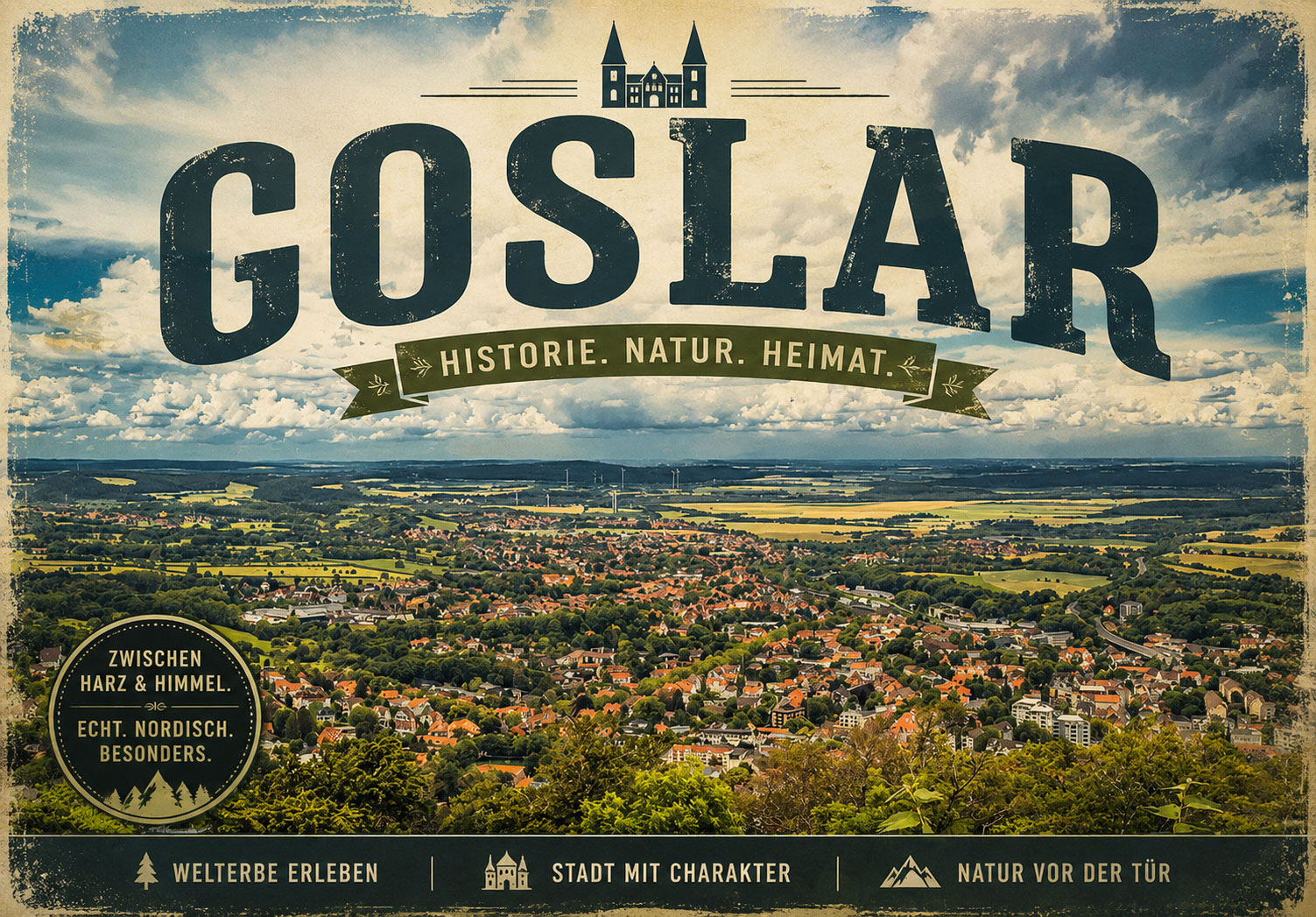
    Anyone who grew up in the Braunschweig region is probably familiar with the area around the medieval town of Goslar. During the days of East Germany, the western Harz Mountains, rising just behind the Imperial Palace town, were always a popular destination. After German reunification, tourism declined but is now slowly picking up again.

    Mauritius

    Island of Many Disappointments

    The first thing that comes to mind when people hear about the island of Mauritius is miles of white sandy beaches, palm trees and exotic wildlife. Some of these things are indeed true, but many things are actually quite different. Above all, Mauritius is still one thing: Africa.

    Activities

    • Devils Town

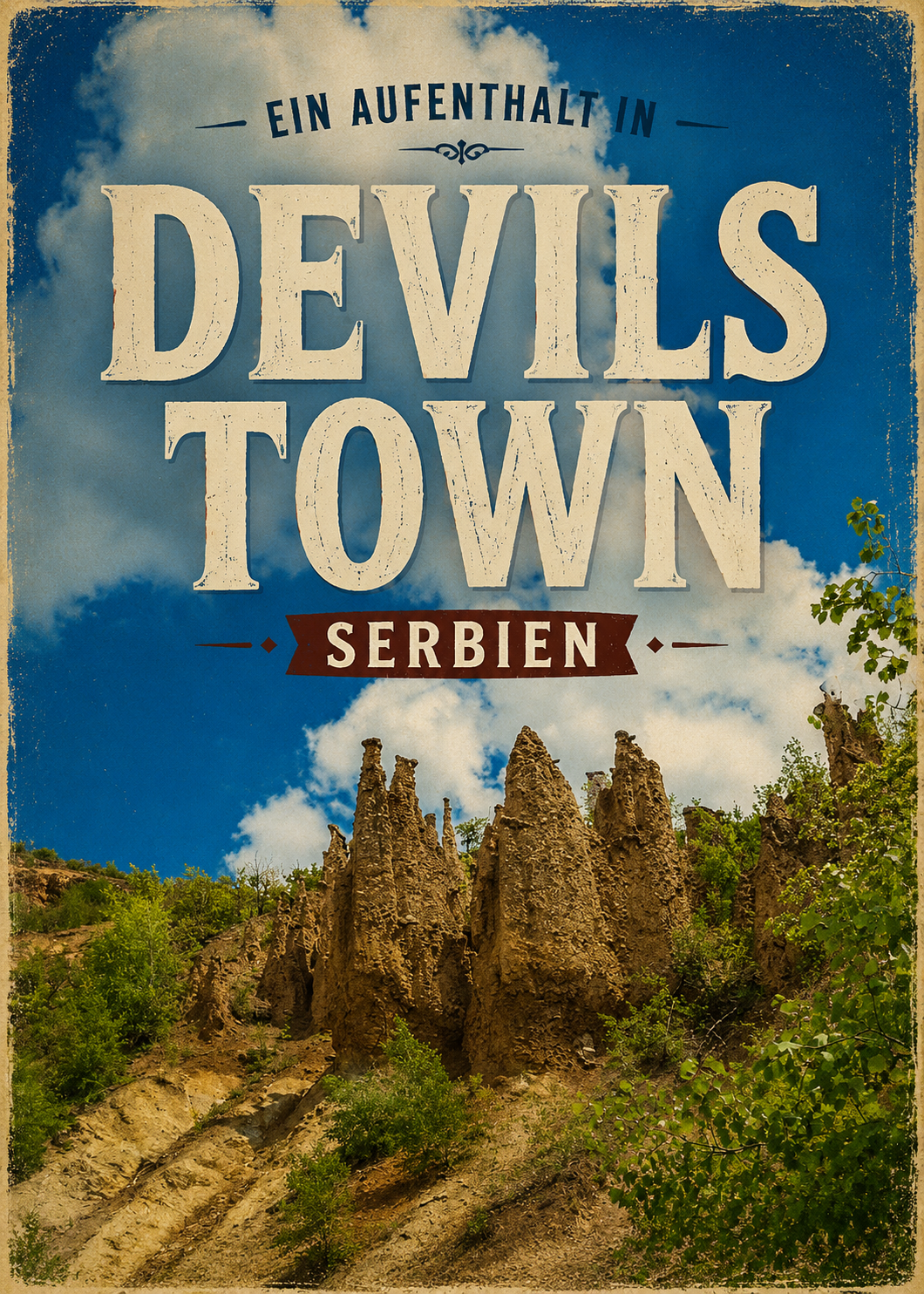
      Serbia’s cities may still seem a little grey and post-communist, but that changes as soon as you leave the city limits and reach the countryside. There you will find completely untouched, undeveloped and fascinating nature.

    • Lake Naivasha

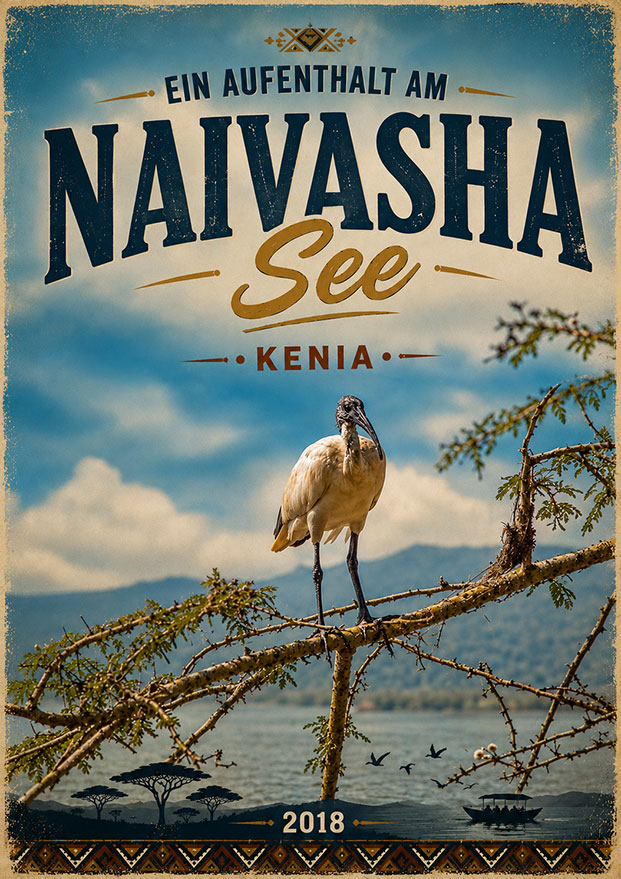
      When it comes to wildlife, count me in. Far from the hustle and bustle of the coast, there is a beautiful lake. In the middle of nowhere, marabou storks, pelicans, ibises and, of course, hippos roam.

    • Kurische Nehrung

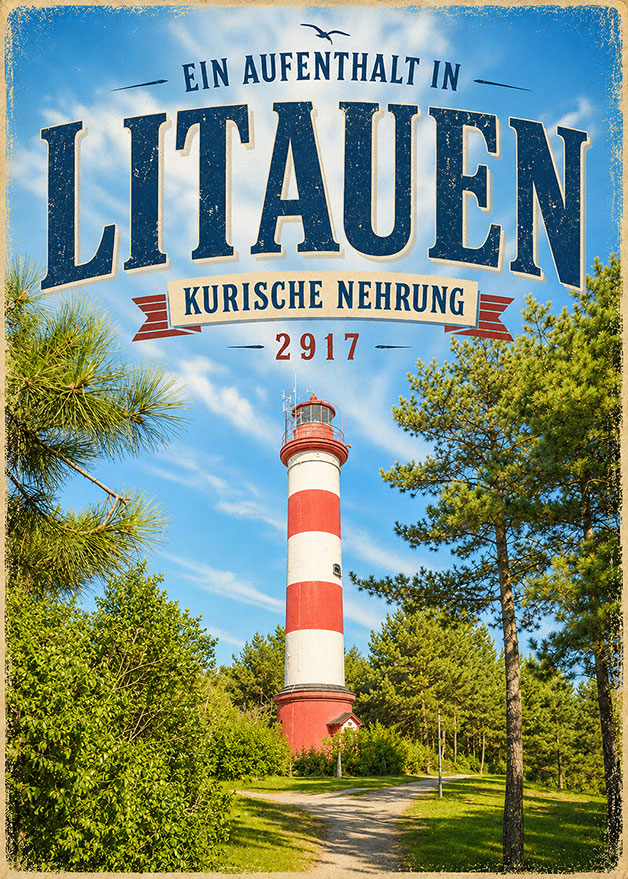
      The peninsula, almost 100 kilometres long, is shared by Russia and Lithuania. Some things are reminiscent of a North Sea island, while others recall the German past of this Baltic Sea archipelago.

    • Shimba Hills

      It cannot be compared with one of the many national parks, but the Shimba Hills nature reserve still has plenty to offer.

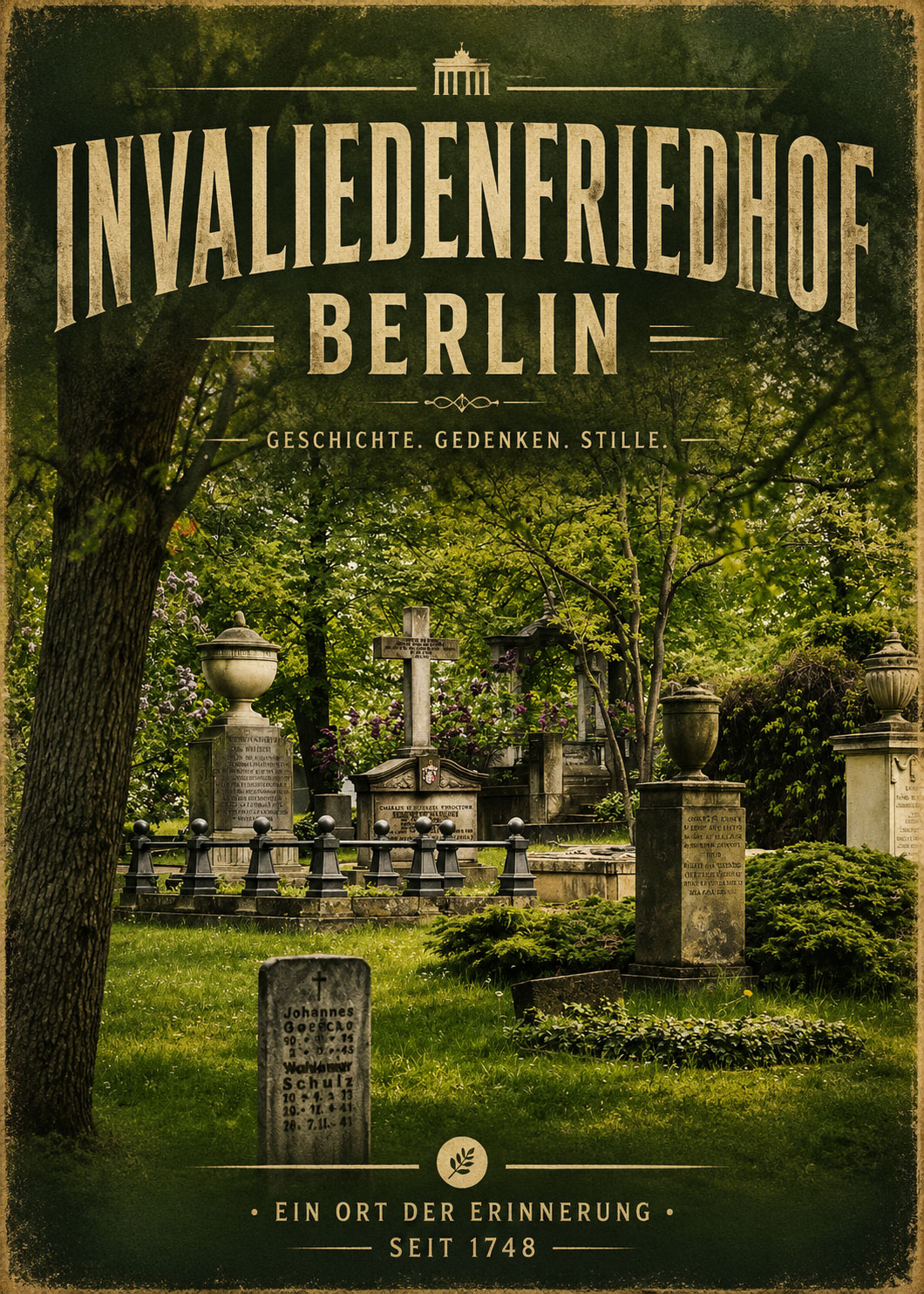
    • The Invalids’ Cemetery

      The Invalids’ Cemetery

      The Invalids’ Cemetery in Berlin is located in the middle of the city, alongside the former Wall Trail. Most people walking through it have no idea that they are passing the grave of one of history’s greatest war criminals.

    • Brooklyn Brewery

      Brooklyn Brewery in Williamsburg is one of the 4,000 active breweries in the United States. The company offers a good brewery tour, although it focuses a little too much on getting visitors to spend money.

      Cuba

      Karibischer Kommunismus.

      Not much has changed on the island of Cuba since the 1960s. Progress is only gradual. At least by the late 2010s, internet access was available, even if only for limited periods.

      Dominican Republic

      The Caribbean dream.

      The Dominican Republic does not have the best reputation. It is often seen as a party destination and a playground for older, wealthy white men. But the Samaná Peninsula does not live up to that stereotype.

      Russia

      The ultimate adventure holiday.

      Even today, many people still do not consider Russia a worthwhile travel destination. I took the plunge and immersed myself in a wonderful world full of great people.

      City breaks

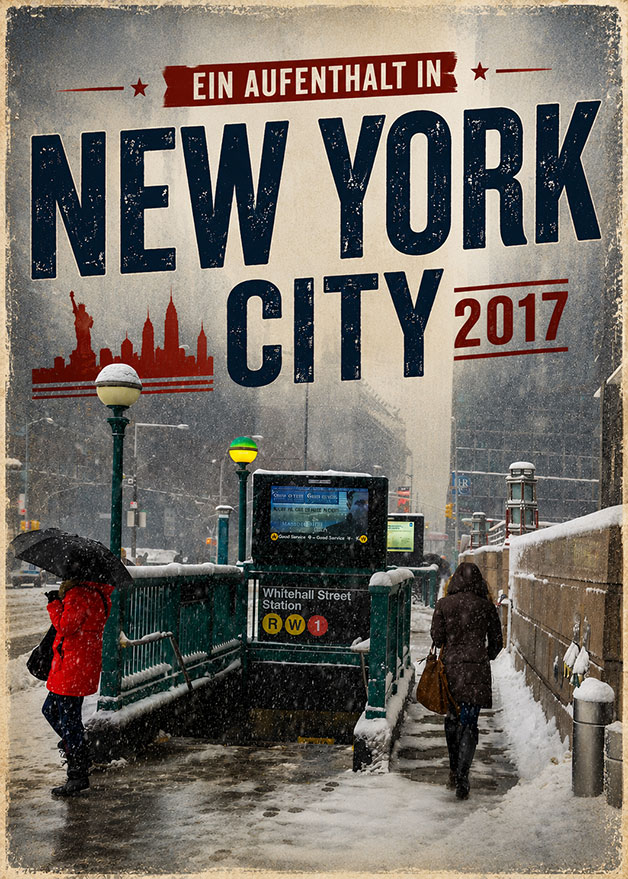
      • New York City

        With a bit of luck, I managed to catch a direct flight from Berlin to New York City just in time — shortly afterwards, Air Berlin went bankrupt. The city reminds you of a film at every turn. It is well worth a visit.

      • Riga/Kuldiga

        The Baltic country has long since ceased to be an insider tip. However, tourism is concentrated almost entirely on Riga. The really interesting places are to be found beyond Latvia’s major cities.

      • Prague

        For 30 years now, Prague has experienced an uninterrupted influx of tourists from all over the world. If you choose the right time of year, however, the city can be explored at a very relaxed pace.

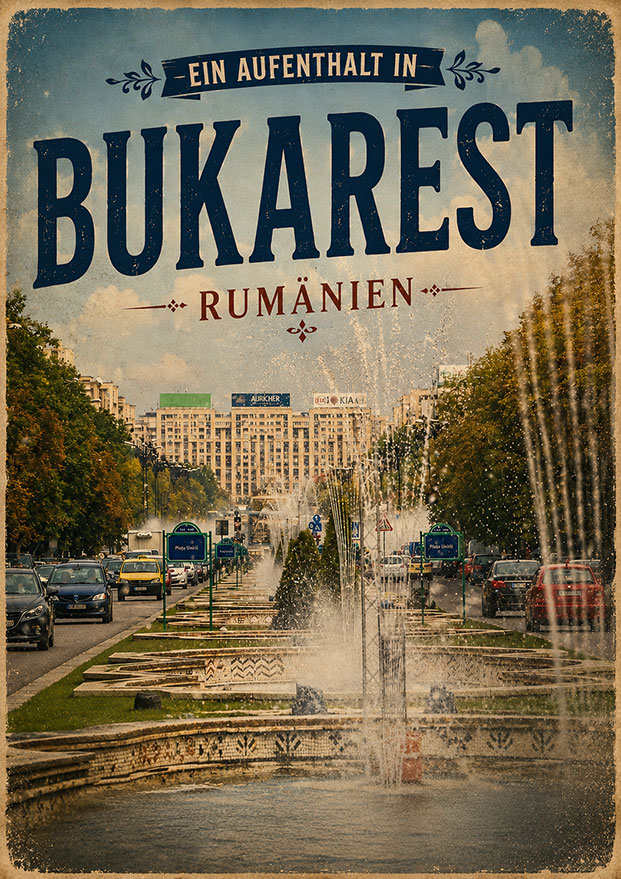
      • Bucharest

        Bucharest is the European Union’s seventh-largest city. Located in southern Romania, it stands out for its post-communist architecture and still-affordable cost of living.

      • Niš

        Niš

        The city of Niš lies in southern Serbia, roughly between Sofia and Kosovo. Although most people have never heard of it, the surrounding area has a great deal to offer.

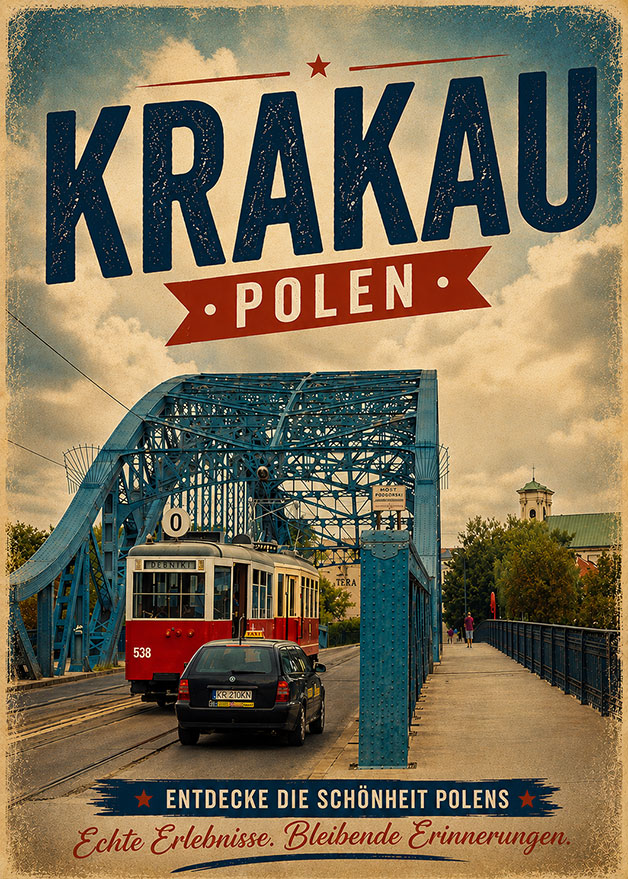
      • Kraków

        Kraków is one of Poland’s most interesting cities. Far to the east, it has a great deal of history to offer. Follow in the footsteps of Oskar Schindler.