

- Details
- Hendrik Lorenz
- Category: Blog
- Read Time: 4 mins
- Hits: 421
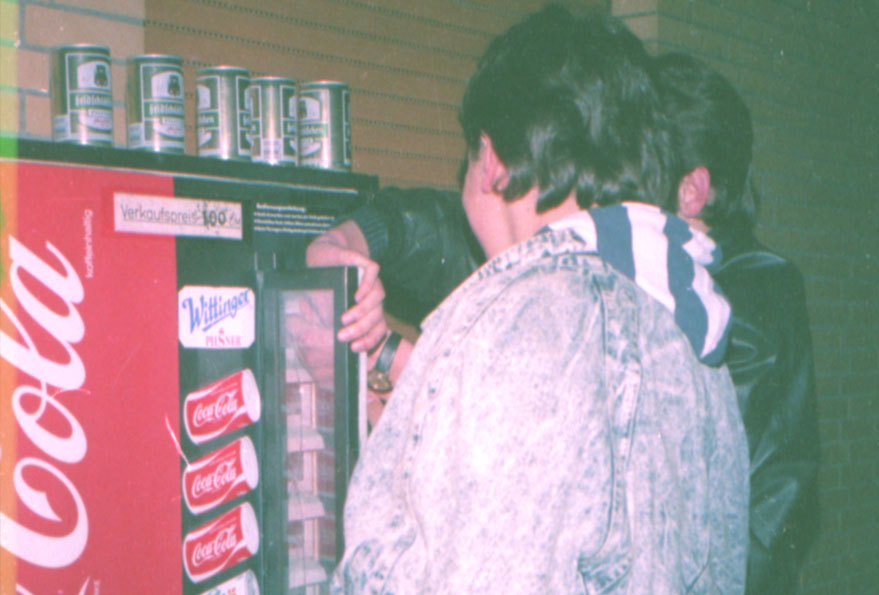
It all began with the harmless-sounding sentence: “We're going on a seminar about German affairs.” It was a compulsory part of the curriculum in the 1980s for tenth-grade pupils at Vechelde secondary school. What I didn't know at the time was that this was less a seminar and more a mixture of a border excursion, an ideological barrage and an involuntary adventure holiday in the middle of nowhere in West Germany. Welcome to Zicherie. A place so remote that even the map seemed to hesitate before deciding whether to include it. Infrastructure? Non-existent. Leisure activities? None. We were practically dumped there – and from that moment on it was clear: we wouldn't be getting away anytime soon. Right in the depths of the border region, in one of the dreariest places in the district of Gifhorn. The seminar house had a charm all of its own. Somewhere between a youth hostel and a military barracks. Everything ran to a strict timetable. Lectures in the morning, a look at the border in the afternoon. Discussions about the German question in the evening. In between, every participant tried to survive mentally. And then there was the border right next door. Barbed wire, watchtowers, everything under tight surveillance. We were told how terrible everything was “over there”. But I was of the opinion that this seminar and the village of Zicherie were even worse than East Germany. Leisure activities were a particularly exciting chapter. Stay in the seminar house, stay in the seminar house some more, or walk up and down the same road three times and hope something might happen. The attempt to organise at least a little “normal life” failed miserably. The local corner shop apparently had one clear mission: to protect young people from any form of enjoyment. Alcohol? Theoretically permitted. In practice? “Sorry, not today.” And not tomorrow either. Or the day after. Even the local shopkeeper was evidently under the seminar leader's thumb. But there was one ray of hope in Zicherie in 1987: the beer vending machine in a side street. Fully stocked with 0.3-litre cans of Feldschlößchen. One Deutschmark per unit of drinking pleasure. A shining beacon of hope in an otherwise tightly controlled and depressing world. It was more than just a vending machine. It was a symbol of freedom and self-determination. Cold drinks. Buy a beer and head back towards the seminar house. Unfortunately, teacher Gerhard Brandt – also known as “Gerti”, “Rucksackdeutscher” or “Mistel” – was already waiting there with a bag search more thorough than any inspection at the East German border. That was the end of our freshly purchased drinking pleasure.
And as if all that hadn't been bad enough, the programme naturally included a day trip to East Germany – to Stendal. A real highlight. At least according to the seminar schedule. Crossing the border was an experience in itself, but things got really interesting once we arrived. Almost immediately, we noticed a man who followed us with conspicuous inconspicuousness, wearing a slightly too perfectly fitted wig. He walked after us. Stopped when we stopped. Took notes. If he wasn't an employee of the Stasi, he was at least very dedicated to the hobby of “group surveillance”. Stendal itself presented a uniformly grey appearance. Grey streets, grey houses and grey people. Even the sky had joined in with the concept that day. The department stores were another experience. Large rooms, plenty of shelves and a yawning emptiness. The only bright spot in this grey city was the famous Baumkuchen. But there were only two pieces of this traditional delicacy available, too. Then the shop was closed. The rest of the tour group went away empty-handed. Since the compulsory exchange money could not be converted into consumer goods, we eventually improvised. The money was donated to a pastor. Probably the most sensible investment of the day in the German Democratic Republic. Yet the city of Stendal was not entirely without colour. The many brightly coloured Trabants looked like little splashes of colour in a black-and-white world amid dreary Stendal. Like sweets on wheels in socialism. They really were the liveliest thing to be seen there. Back in Zicherie, the seminar continued as before: lectures, discussions and a quiet glance towards the beer vending machine, which by then seemed to serve as a melancholy reminder of a failed mission.
Conclusion: Horribly boring. Western indoctrination on an endless loop. A youth-hostel existence more reminiscent of a mixture of barracks, boarding school, prison and monastery. The day trip to East Germany was pointless, because the village of Zicherie and its seminar house were ultimately no different – if anything, they were even worse. I still dream about this brilliant excursion at night and wake up in a panic, drenched in sweat.


 1. Regarding the sound ...